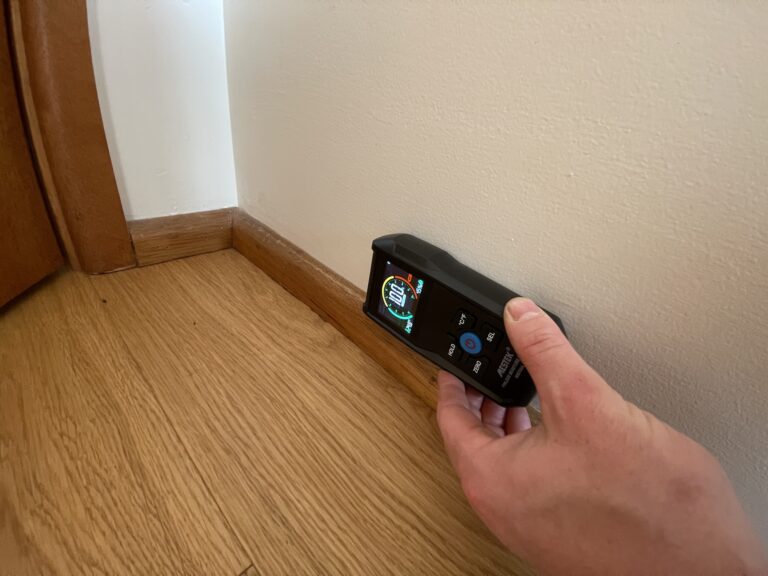
Moisture does not prove that termites are present, but persistent dampness is a condition worth investigating. Blue Mountains properties can have steep ground, shaded gardens and varied subfloor access. The aim is to understand where water is going and reduce avoidable risk, while keeping regular timber pest inspections in place.
Start with the source of the water
Leaking plumbing, blocked gutters, discharge near foundations and poor surface drainage can all contribute to damp conditions. A wet patch under the house may need a plumber or drainage professional, not simply a pest treatment. Record where dampness occurs and whether it follows rain or persists in dry weather.
Keep accessible areas clear
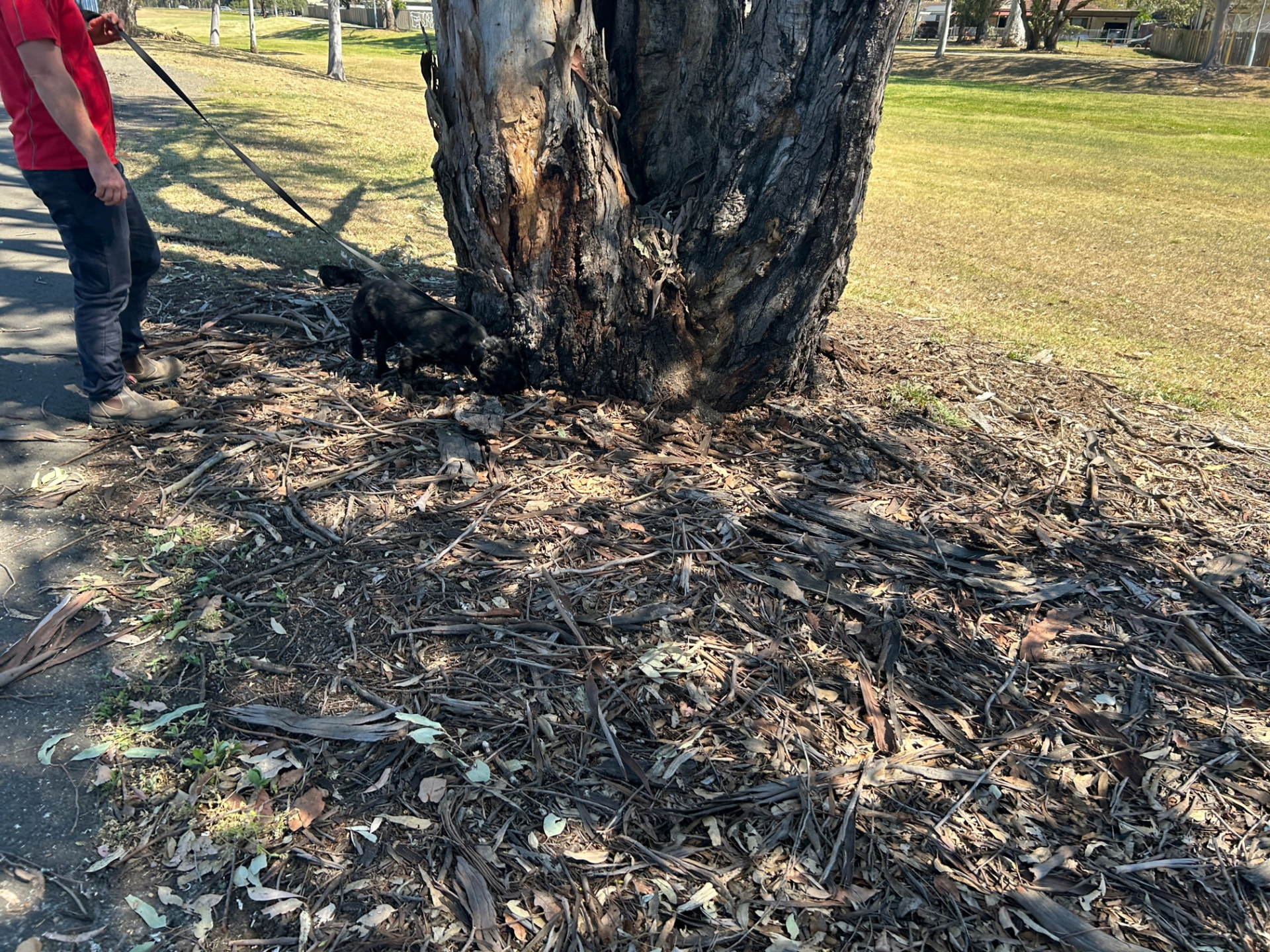
Loose timber, cardboard and stored materials in the subfloor can make inspection more difficult. Remove unnecessary items where it is safe to do so and maintain access to the inspection point. Timber contacting the ground deserves particular attention in the site assessment.
Do not cut or alter structural timber to improve access. If the space has unstable materials, electrical hazards or very limited clearance, ask about safe inspection options rather than entering it yourself.
Ventilation is a building question too
Blocked vents and later enclosures may affect air movement beneath a home. Improving ventilation needs to account for the building design, drainage and relevant requirements. A technician can flag observed conditions, but building alterations should be assessed by someone qualified for the work.
Do not disturb existing termite protection
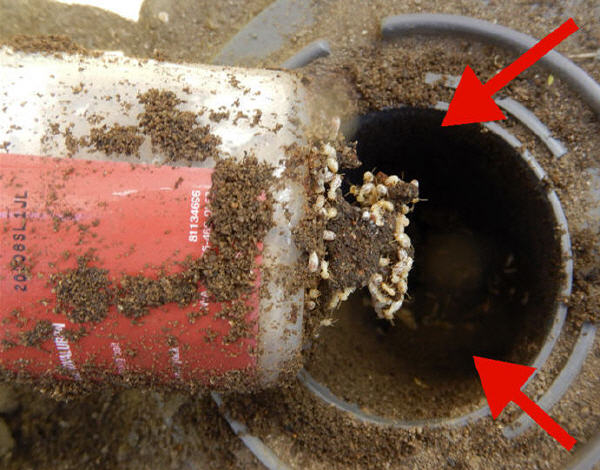
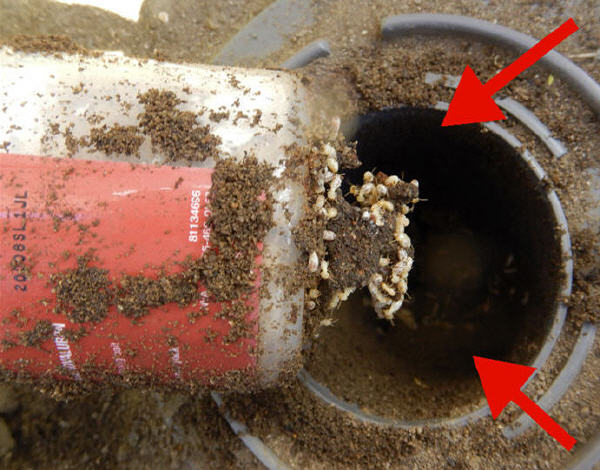
Gardening, new paths or drainage work can affect station access or a treated zone. Tell the pest technician before major work beside the building so the protection plan can be reviewed. A bait station hidden beneath new paving cannot be serviced in its intended way.
Keep treatment records with other house maintenance documents. If an extension or retaining wall changes the perimeter, ask whether another inspection or adjustment is required.
Better conditions support, not replace, inspection
Correcting a leak does not eliminate an established infestation or guarantee that termites will stay away. Houses in Hazelbrook, Woodford and other mountain suburbs should be assessed according to their construction and findings. Discuss moisture and drainage during the inspection so the report can connect practical maintenance advice with any treatment recommendations.