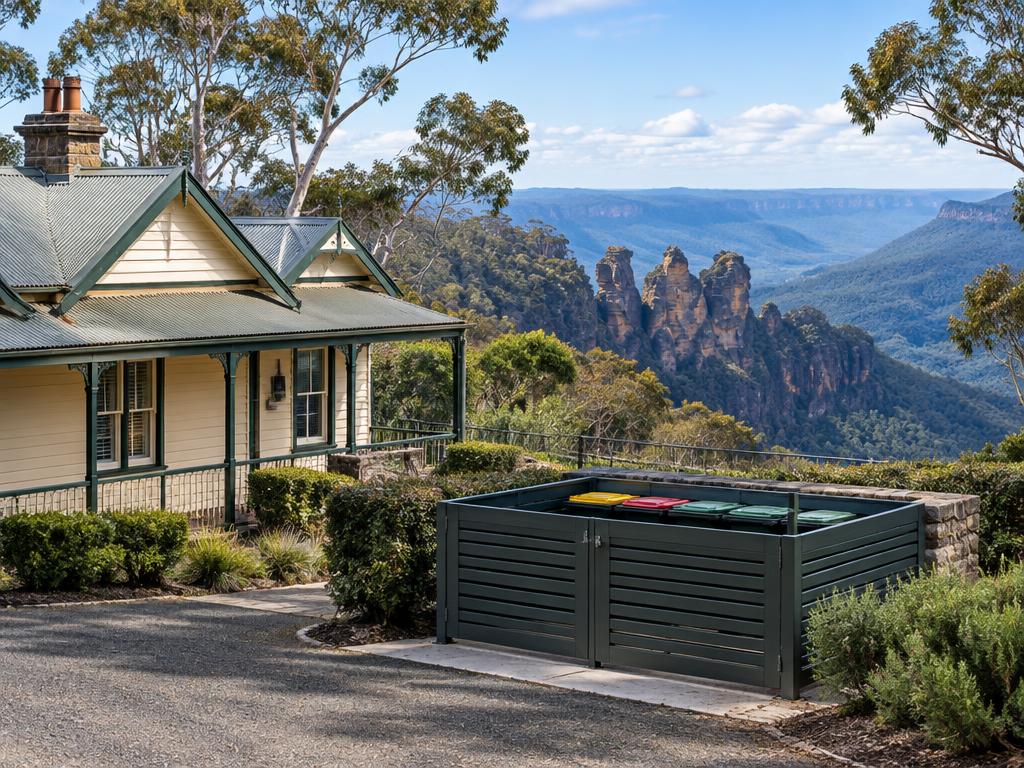
Echo Point and the Three Sisters bring visitors to Katoomba, while accommodation and food businesses operate throughout the town. Pest planning needs to keep up with deliveries, waste, kitchens and changing occupancy. This article describes a general records-based approach. It does not identify a local hotel or restaurant as having pests or being an existing client.
Map the different working areas
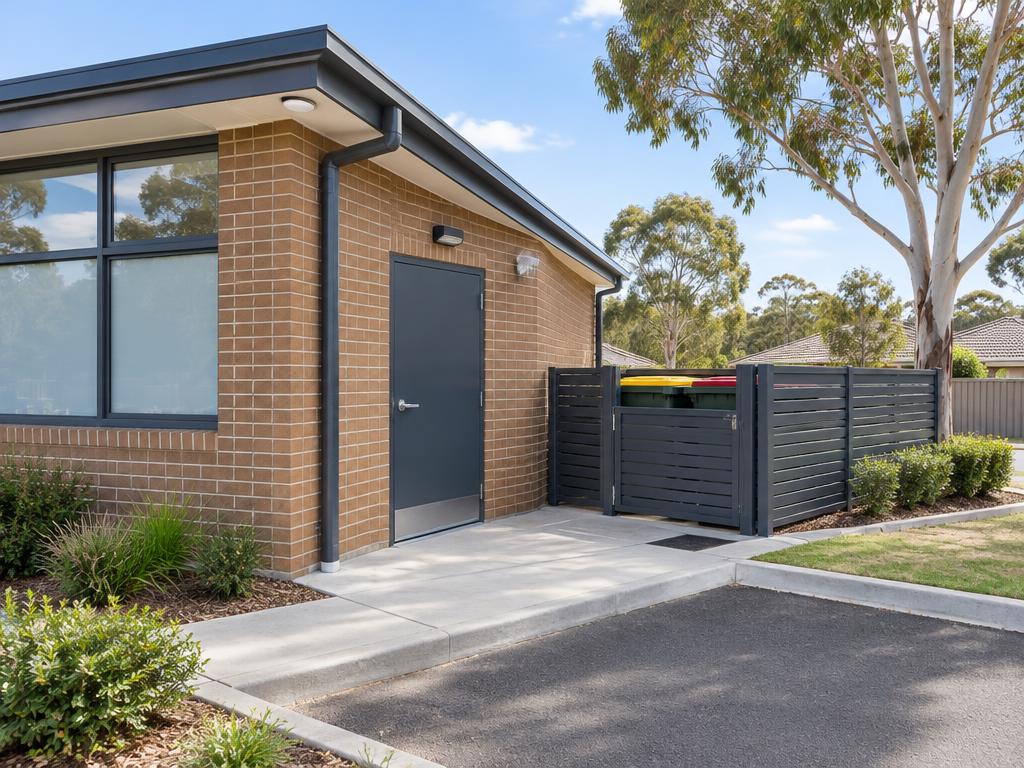
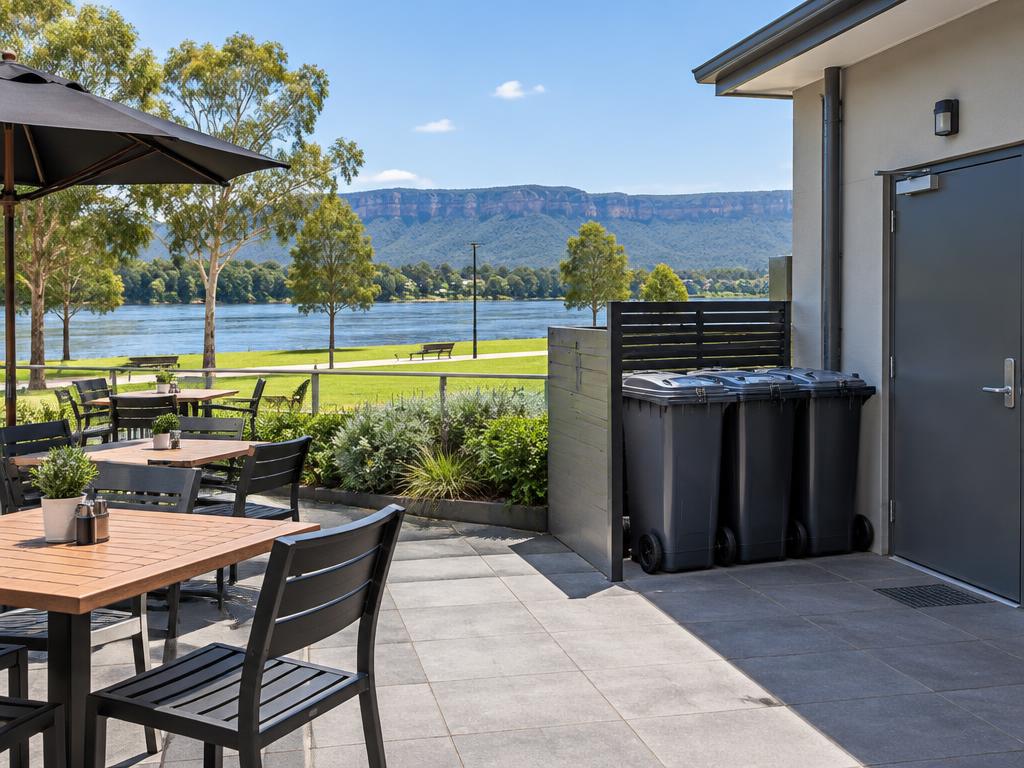
A kitchen, guest room, loading area and waste enclosure each present different inspection questions. Record sightings accurately rather than simply writing pests seen. Let the technician know about shared walls and adjoining tenancies. Safe access matters: staff should not enter roof voids, dismantle appliances or move heavy equipment without appropriate help just to obtain a closer photograph.
Give service reports an owner
Assign someone to read recommendations and arrange the appropriate repairs or cleaning changes. A report left in a folder does not close a door gap or repair plumbing. Record when actions are completed so the next inspection can review progress. Where work depends on a landlord or adjoining business, communicate the issue without treating pest control as a substitute for maintenance.
Coordinate preparation and trading hours
Before treatment, explain when spaces are occupied and how food and equipment are stored. Ask which items must be moved or covered and when areas can reopen. Precautions depend on the actual method and product label. Pass instructions to the next shift, including cleaners, so bait or monitoring placements are not disturbed during routine opening and closing tasks.
Use monitoring to ask better questions
Monitoring results and dated sightings can show whether activity persists in particular locations. An established infestation may require follow-up. If activity continues, contact the provider rather than combining placed products with household sprays. Correct identification remains essential; an outdoor insect at a terrace and repeated cockroaches around warm equipment do not automatically call for the same response.
Keep timber pest care in the wider plan
Older accommodation buildings may have verandas, floor voids and extensions with limited access. General pest servicing and timber pest inspection answer different questions. Ask whether a separate inspection is appropriate and retain its findings and limitations. A local landmark helps explain the area, but construction, evidence and the actual operating conditions should guide the work at your premises.