Wasp Control in the Blue Mountains & Penrith
- Our family team
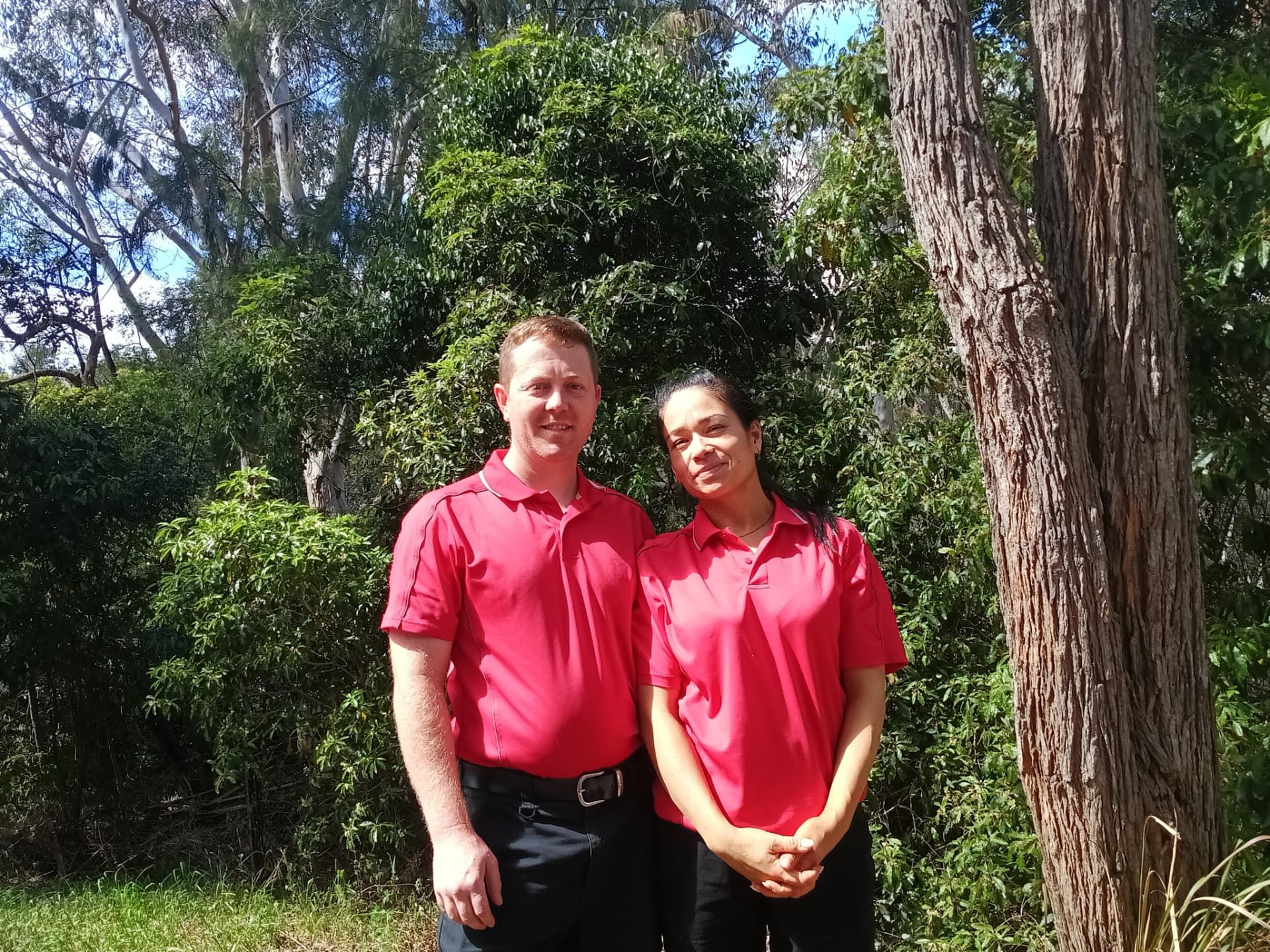
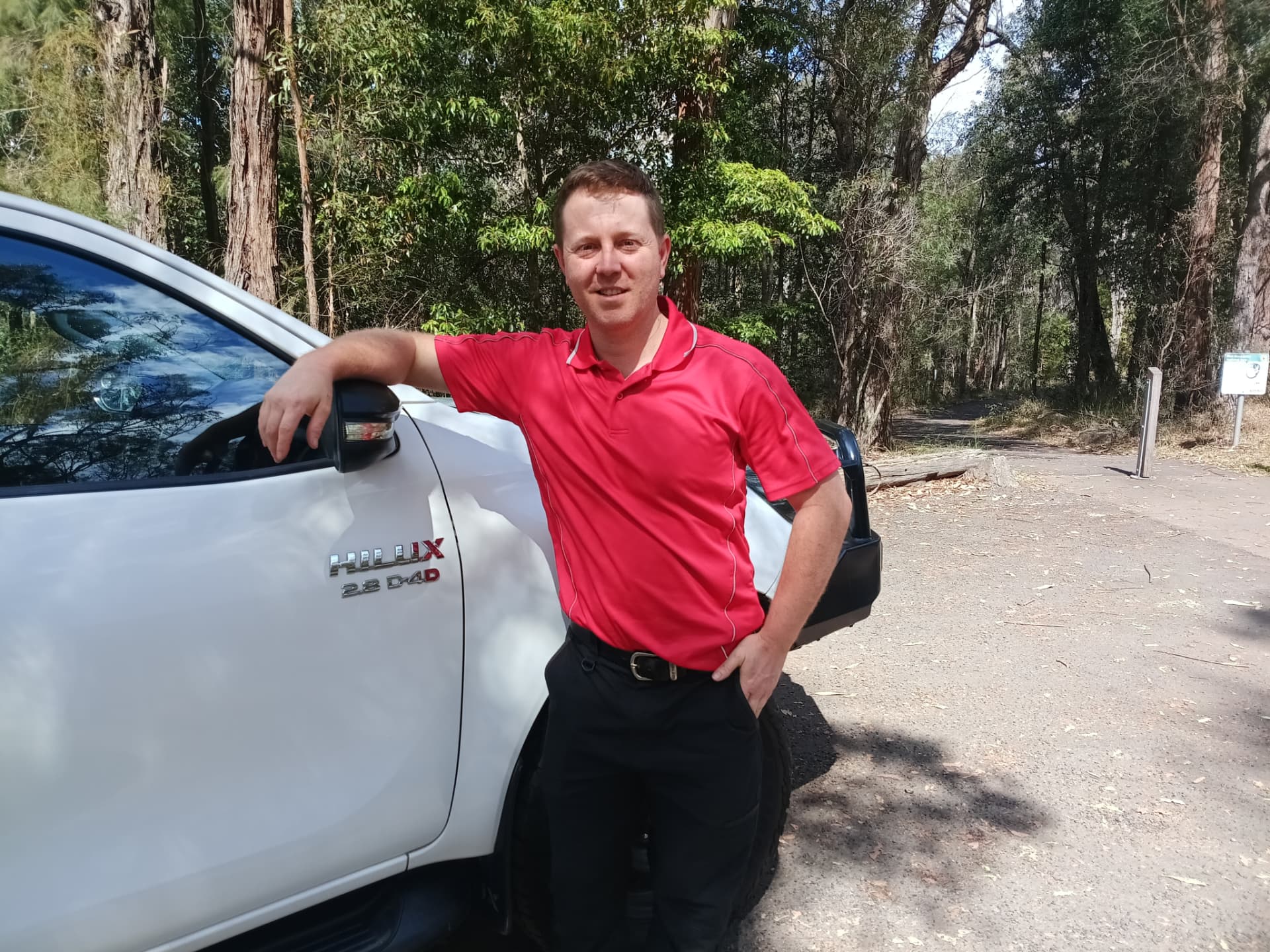
Jason & Katie
Jason and Katie are our husband-and-wife team at Pest Control-Blue Mountains. Behind our pest and termite services is a family team you can put a face to, helping households and businesses across the Blue Mountains and Penrith.
Wasps can turn a sunny afternoon on the deck into a stressful one. Whether a nest has appeared under the eaves of a weatherboard home in Wentworth Falls, inside a hedge in a Leura garden, or near the playground at a school in Springwood, it’s important not to disturb it. Our local team assesses the nest location and access, then treats it safely so you can get back to enjoying your outdoor spaces.
Why wasps are common in the Blue Mountains
The mountains offer wasps everything they need: plenty of insects to feed on, flowering gardens, water and sheltered places to build nests. Heritage homes in Katoomba, Blackheath and Mount Victoria often have deep eaves, verandahs and timber details that provide perfect nesting spots. Famous gardens such as Everglades Gardens in Leura, the Blue Mountains Botanic Garden at Mount Tomah and the gardens of Mount Wilson show just how lush the area is — and private gardens across the region are just as attractive to wasps.
Activity typically builds through spring and peaks in late summer and autumn, when nests are at their largest and wasps are most defensive.
Types of wasps we see
Paper wasps build open, umbrella-shaped nests with visible cells, usually under eaves, pergolas, fences, shrubs and outdoor furniture. They are common around homes and can sting if the nest is disturbed.
European wasps are an introduced species that often nests in the ground, in wall cavities or in roof voids. Nests can become very large and you may only notice wasps flying in and out of a small hole. They are attracted to food and sugary drinks, which makes them a nuisance at barbecues and outdoor dining areas.
Mud-dauber and other solitary wasps build small mud nests on walls and ceilings. They are generally less aggressive but can still be unwelcome near doors and windows.
Signs of a wasp nest
- Wasps repeatedly flying to the same spot
- Wasps entering a hole in the ground, wall or roof
- Chewing sounds inside a wall cavity
- A grey papery nest under eaves or in shrubs
- Increased wasps around bins and outdoor food
- Mud tubes or cells on walls and ceilings
Safety first
Please keep children and pets away from any active nest, and don’t try to knock it down, spray it or block the entrance. Disturbing a nest can cause many wasps to attack at once. Anyone with a known allergy to stings should stay well clear. If someone has a severe reaction, call 000 immediately.
How our wasp treatment works
1. Assessment. We identify the wasp type, find the nest and check access — whether it’s under the eaves, in a wall cavity, in the ground or high in a tree.
2. Targeted treatment. The nest is treated directly using appropriate products and equipment for the location. Where safe and accessible, the nest may be removed once activity has stopped.
3. Advice. We explain what to expect after treatment — some wasps returning for a short time is normal — and how to reduce the chance of new nests.
Why DIY wasp removal is risky
When are wasps most active?
Nests are usually started by a single queen in spring. Through summer the colony grows quickly, and by late summer and autumn it can contain hundreds or even thousands of wasps. This is when most stings happen and when wasps are most attracted to food at barbecues and picnics. In the Upper Mountains around Katoomba and Blackheath, cooler weather can slow nest growth compared with the warmer Lower Mountains and Penrith. Treating a nest early, while it is small, is usually quicker and simpler.
Wasp control for schools, cafés and businesses
Wasps can be a real concern for outdoor dining and public spaces. Cafés near the Three Sisters and Echo Point, venues around Scenic World, picnic areas near Glenbrook Lagoon and accommodation in Medlow Bath near the Hydro Majestic all need outdoor areas to be safe for guests. Schools and daycare centres need prompt attention when nests appear near play areas. See our commercial pest control options.
Reducing wasp activity around your home
- Keep bins lidded and clean
- Pick up fallen fruit from the garden
- Seal gaps in walls and roof lines
- Cover food and drinks when eating outside
- Check eaves and pergolas early in spring for small nests
- Avoid leaving pet food outside
Wasp control across the Blue Mountains
We service every village from Lapstone and the Lapstone Zig Zag through Glenbrook, Blaxland, Hazelbrook, Lawson and Bullaburra, up to Medlow Bath, Mount Victoria and the gardens of Mount Wilson and Mount Tomah. Choose your suburb:
Wasp control in Penrith
We also help homes, schools and businesses in Penrith, Emu Plains, Glenmore Park, Regentville, Mulgoa, Wallacia, Cambridge Park and St Marys, including properties near the Nepean River and Penrith Lakes. View every suburb on our Site Map.
Related pest services
Cockroaches are often found alongside other pests. We also provide cockroach control, rodent control, Spider control, termite inspections and complete residential pest control. Learn more about our local team.
Frequently asked questions
Can bees be treated the same way?
Should I remove the old nest myself?
It depends on your property and surroundings. We can recommend a schedule after inspecting the home.
How quickly can you come?
Found a wasp nest? Keep clear and give us a call.
Need help at your property?
Talk to a local technician about treatment for your home or business.
Pest Services
- Cockroach Control →
- Rodent Control →
- Spider Control →
- Wasp Control →
- Termite Inspections →
- Termite Treatments →
- Termite Barriers →
- K9 Termite Inspections →
- Termite Control Blue Mountains & Penrith →
- Pre-Purchase Termite Inspections →
- Found Live Termites? →
- Termite Treatment Options →
- Termite Baiting & Monitoring →
- Targeted Termite Treatment →
- Termite Prevention & Risk Reduction →
- Residential Pest Control →
- Commercial Pest Control →
Blue Mountains Areas
- Start here