Termite Inspections in the Blue Mountains & Penrith
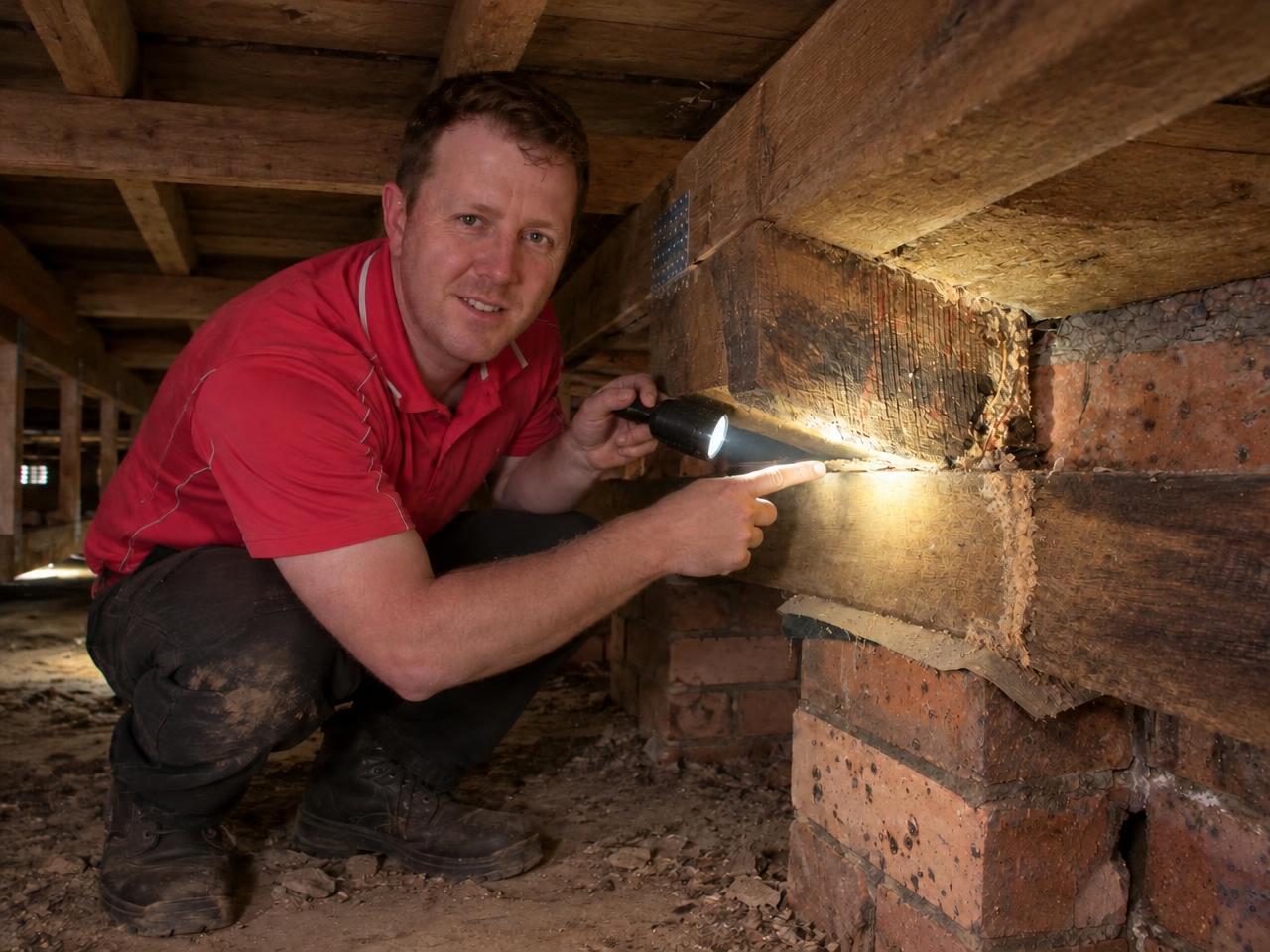
- Our family team
Jason & Katie
Jason and Katie are our husband-and-wife team at Pest Control-Blue Mountains. Behind our pest and termite services is a family team you can put a face to, helping households and businesses across the Blue Mountains and Penrith.


Meet Andy & Lucy, our K9 termite dogs
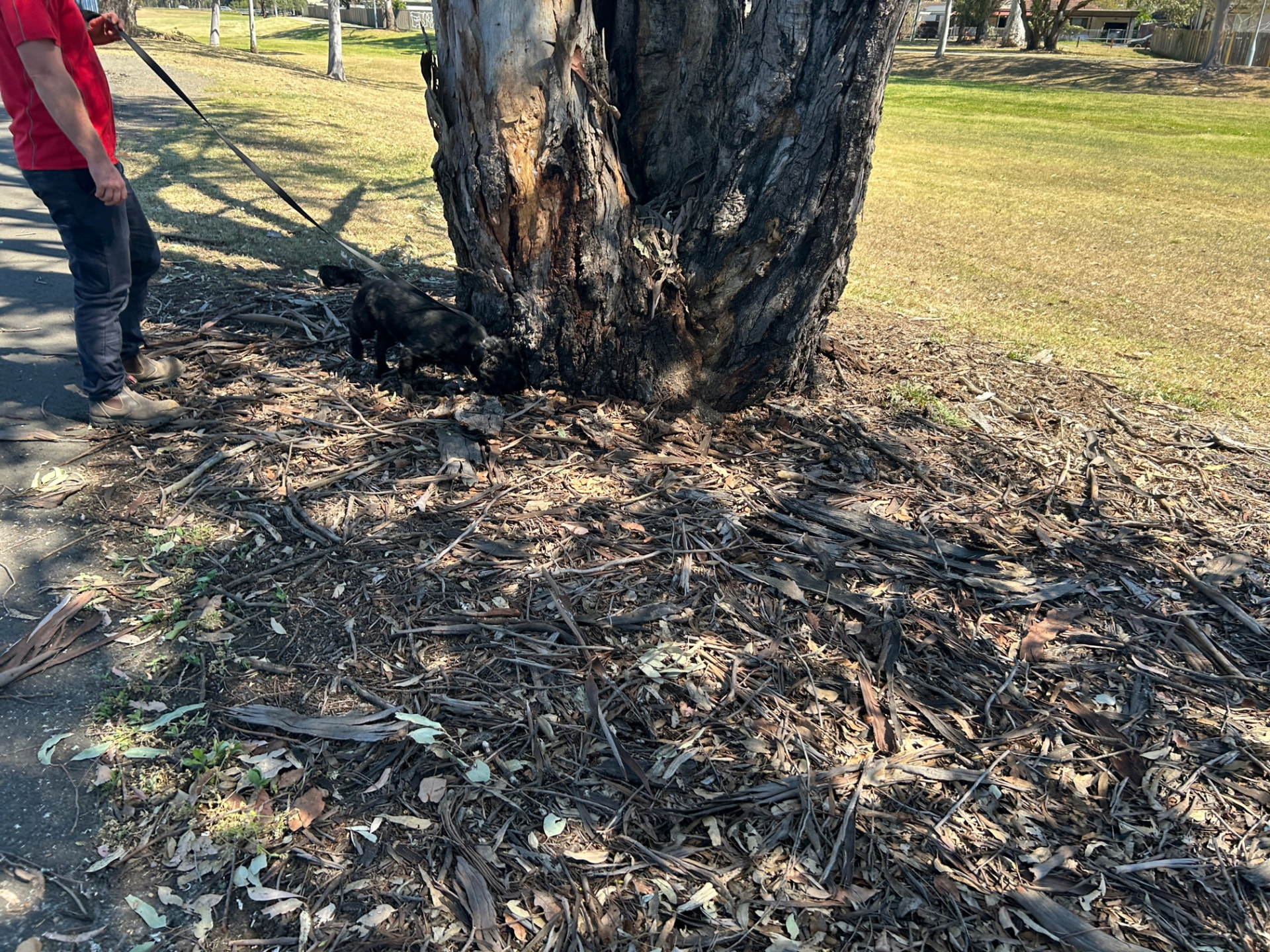
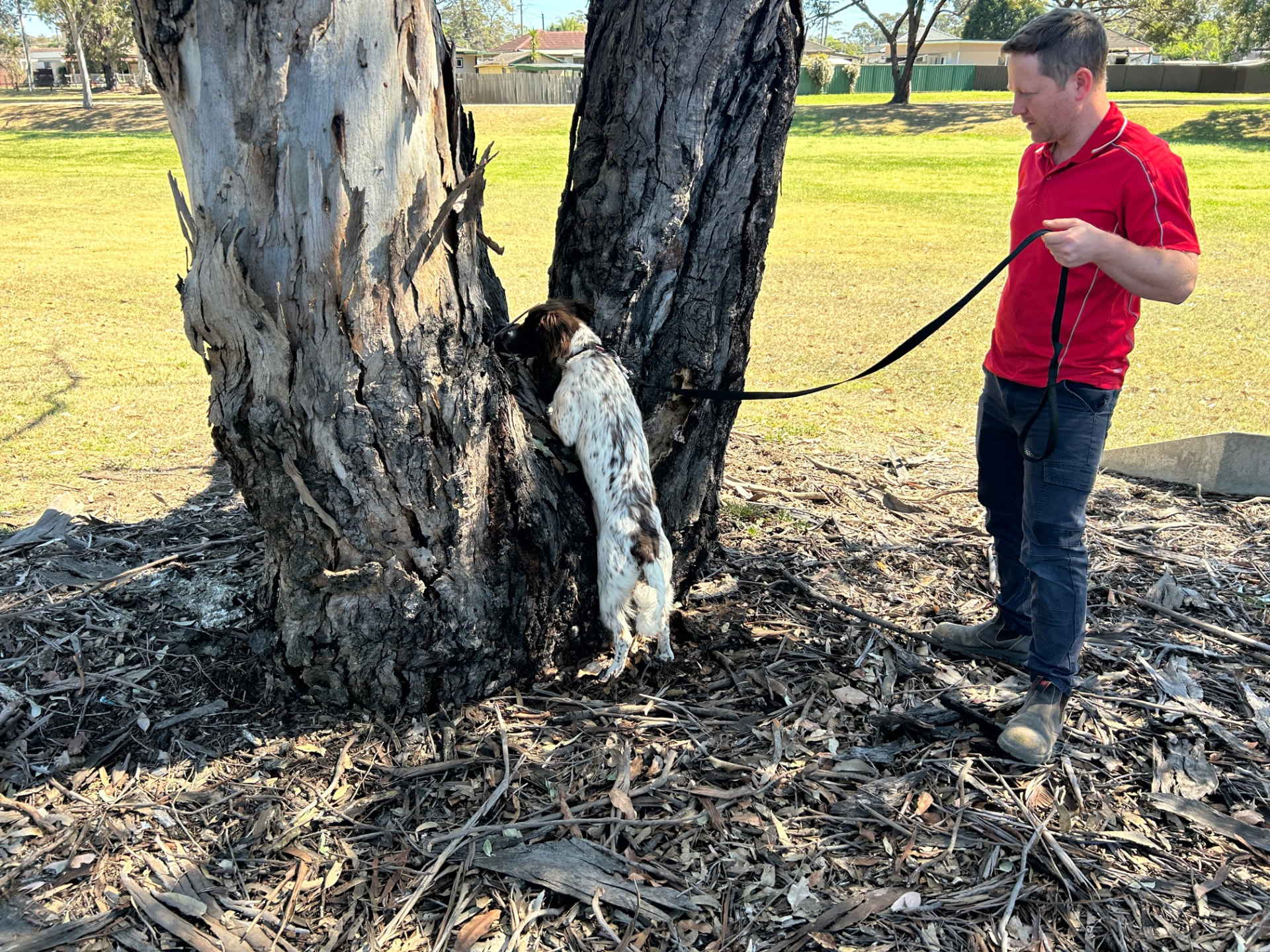
- Photos from our work
Termite inspections, treatment & baiting
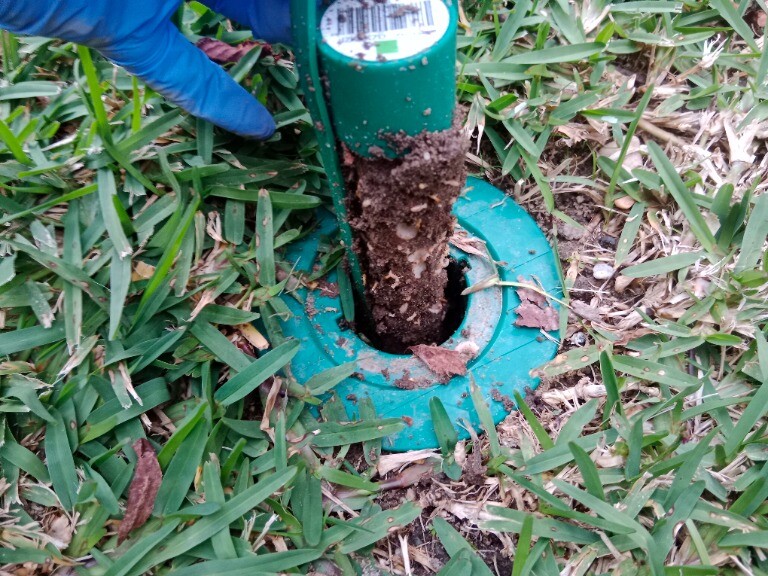
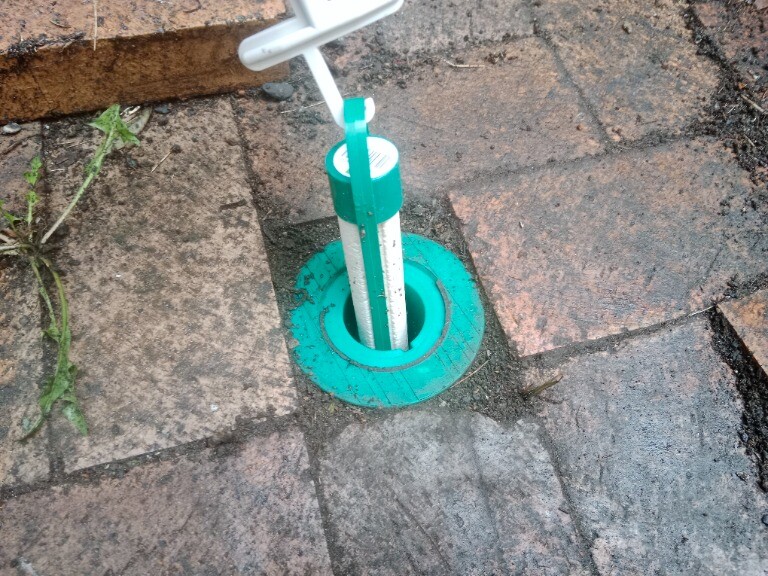
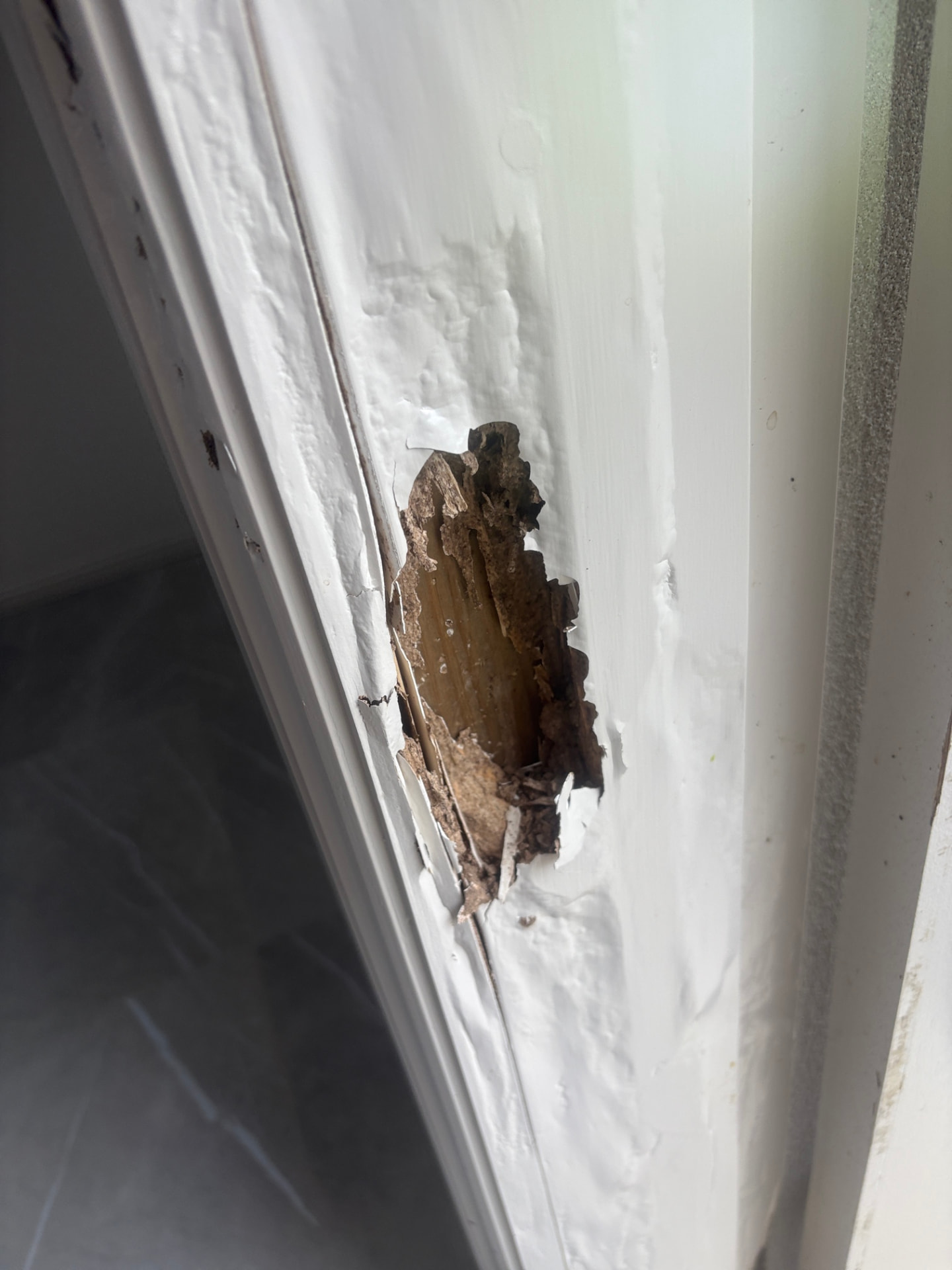
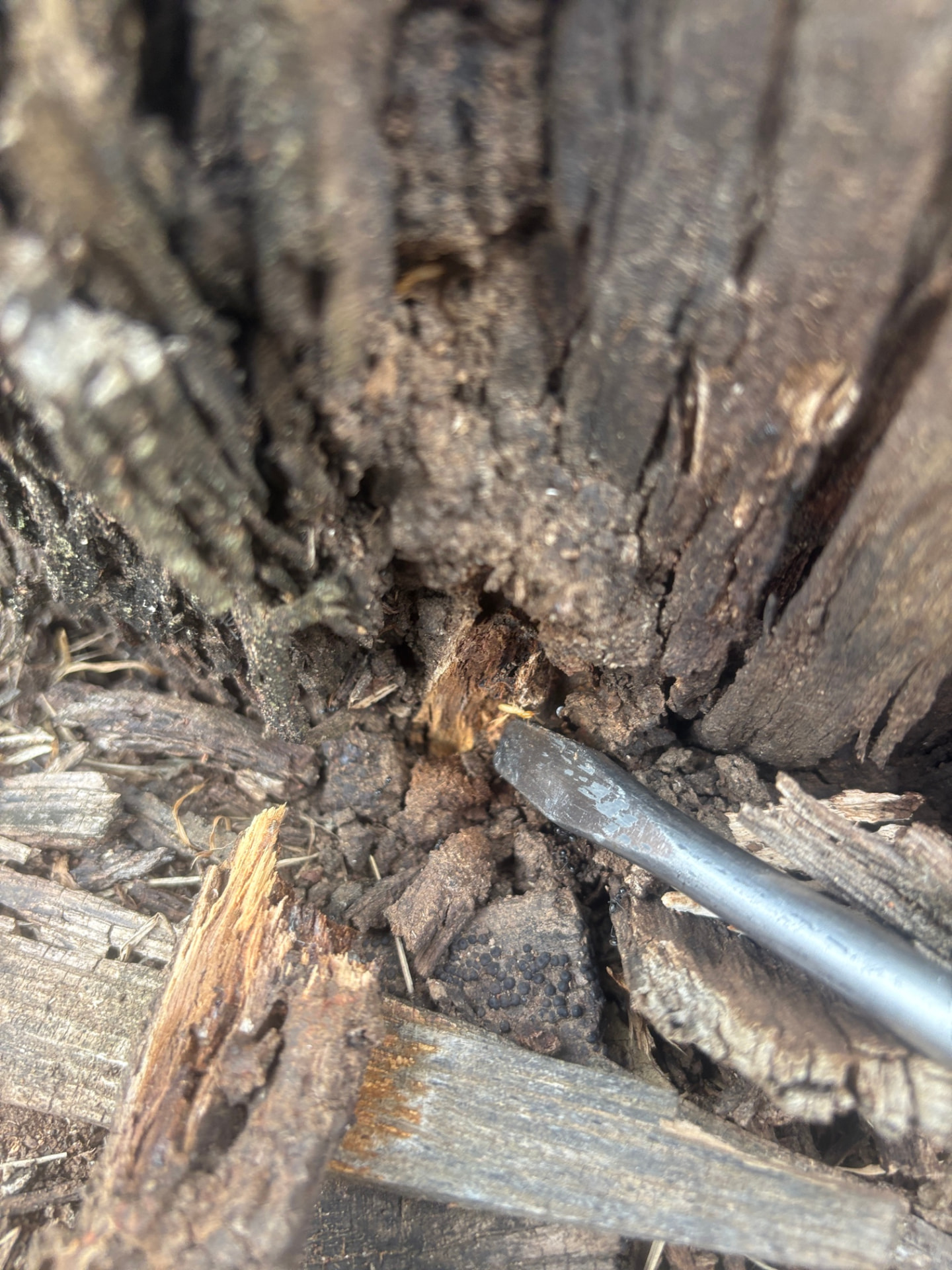
Termites are often called the silent destroyers, and for good reason. They can work inside timber for months or years before any damage is visible. In the Blue Mountains, where many homes are timber-framed cottages surrounded by eucalypt bushland, a regular professional termite inspection is one of the best ways to protect your biggest investment. Whether your home looks out over the Jamison Valley near Echo Point, sits on a quiet street in Springwood, or is part of a new estate in Jordan Springs, our local team can help you understand your risk and what to do about it.
Why termite risk is high in the Blue Mountains
Termites need three things: timber to eat, moisture, and protected access to your home. The mountains provide all three. The national park that surrounds villages such as Glenbrook, Blaxland, Hazelbrook and Wentworth Falls is full of trees, stumps and fallen logs where termite colonies live naturally. Higher rainfall and cool, damp conditions in the Upper Mountains around Katoomba, Leura and Blackheath can keep subfloors and garden beds moist, which termites love.
Many local homes also have features that make termites harder to spot: timber subfloors, weatherboard cladding, retaining walls, garden sleepers, decks and older construction without modern termite management systems. Even brick and newer homes are not immune, because termites can travel through tiny gaps and behind wall linings.
What our termite inspection covers
- Subfloor areas, piers and bearers
- Internal walls, skirting, door and window frames
- External walls, weep holes and slab edges
- Decks, pergolas, sheds and retaining walls
- Roof void and roof timbers
- Wet areas such as bathrooms, kitchens and laundries
- Garden beds, stumps, trees and fences
- Moisture problems and conducive conditions
Your written report
Signs of termites to look out for
- Mud tubes on walls, piers or foundations
- Bubbling paint or wavy wall linings
- Flying termites (alates) after warm, humid weather
- Timber that sounds hollow when tapped
- Doors and windows that suddenly stick
- Small mud spots on walls or ceilings
If you see live termites, don’t spray them or break open their workings. Disturbing them can cause the colony to move elsewhere, making it harder to treat. Leave them alone and call us — see our page on termite treatments for what happens next.
How often should you get a termite inspection?
The Australian Standard recommends inspections at least every 12 months, and more often in high-risk areas. Given the bushland and moisture across much of the mountains, many local homeowners choose an annual inspection as a minimum. If your home is very close to bush, has had termites before, or has an older timber structure, we may suggest checking more frequently. Regular inspections are also important for keeping many termite system warranties valid.
Pre-purchase termite inspections
Buying a home in the mountains? A heritage cottage near Leura Mall or a weekender in Mount Victoria can be charming, but it’s important to understand termite risk before you sign. A pre-purchase termite inspection gives you a clear picture of any termite activity, past damage and risk factors, helping you make an informed decision and negotiate with confidence.
Inspections for businesses and rental properties
Landlords, property managers, strata committees and business owners also benefit from regular inspections. Guesthouses near the Hydro Majestic at Medlow Bath, cafés along Katoomba Street, and schools and offices across Penrith all have timber that needs protecting. See our commercial pest control page for more.
Reducing termite risk around your home
- Fix leaking taps, pipes and hot water overflows
- Avoid stacking timber or rubbish against the house
- Remove old stumps and timber offcuts from the yard
- Keep subfloor vents clear and well ventilated
- Keep garden beds and mulch below weep holes
- Make sure downpipes drain away from the house
Thermal imaging and moisture readings
Termites are attracted to moisture, and active termite workings often hold more moisture and warmth than the surrounding wall. A moisture meter can pick up these changes behind plasterboard and timber linings, while a thermal camera can help highlight unusual temperature patterns that may point to termite activity, leaks or poor ventilation. These tools don’t replace a careful visual inspection, but they help us focus on suspect areas without damaging your walls. Any readings of concern are recorded in your report with a clear explanation, so you understand why an area has been flagged and what we recommend next.
Areas we can’t always reach
Termite inspections across the Blue Mountains
We service every village from Lapstone and the Lapstone Zig Zag through Glenbrook, Blaxland, Hazelbrook, Lawson and Bullaburra, up to Medlow Bath, Mount Victoria and the gardens of Mount Wilson and Mount Tomah. Choose your suburb:
Termite inspections in Penrith
We also help homes, schools and businesses in Penrith, Emu Plains, Glenmore Park, Regentville, Mulgoa, Wallacia, Cambridge Park and St Marys, including properties near the Nepean River and Penrith Lakes. View every suburb on our Site Map.
Related pest services
Learn about termite treatments, termite barriers, residential pest control, rodent control and spider control, or read more about our local team.
Frequently asked questions
How long does an inspection take?
Do I need to be home?
What if you find termites?
Book your termite inspection today.
Need help at your property?
Talk to a local technician about treatment for your home or business.
Pest Services
- Cockroach Control →
- Rodent Control →
- Spider Control →
- Wasp Control →
- Termite Inspections →
- Termite Treatments →
- Termite Barriers →
- K9 Termite Inspections →
- Termite Control Blue Mountains & Penrith →
- Pre-Purchase Termite Inspections →
- Found Live Termites? →
- Termite Treatment Options →
- Termite Baiting & Monitoring →
- Targeted Termite Treatment →
- Termite Prevention & Risk Reduction →
- Residential Pest Control →
- Commercial Pest Control →
Blue Mountains Areas
- Start here