Termite Treatments in the Blue Mountains & Penrith
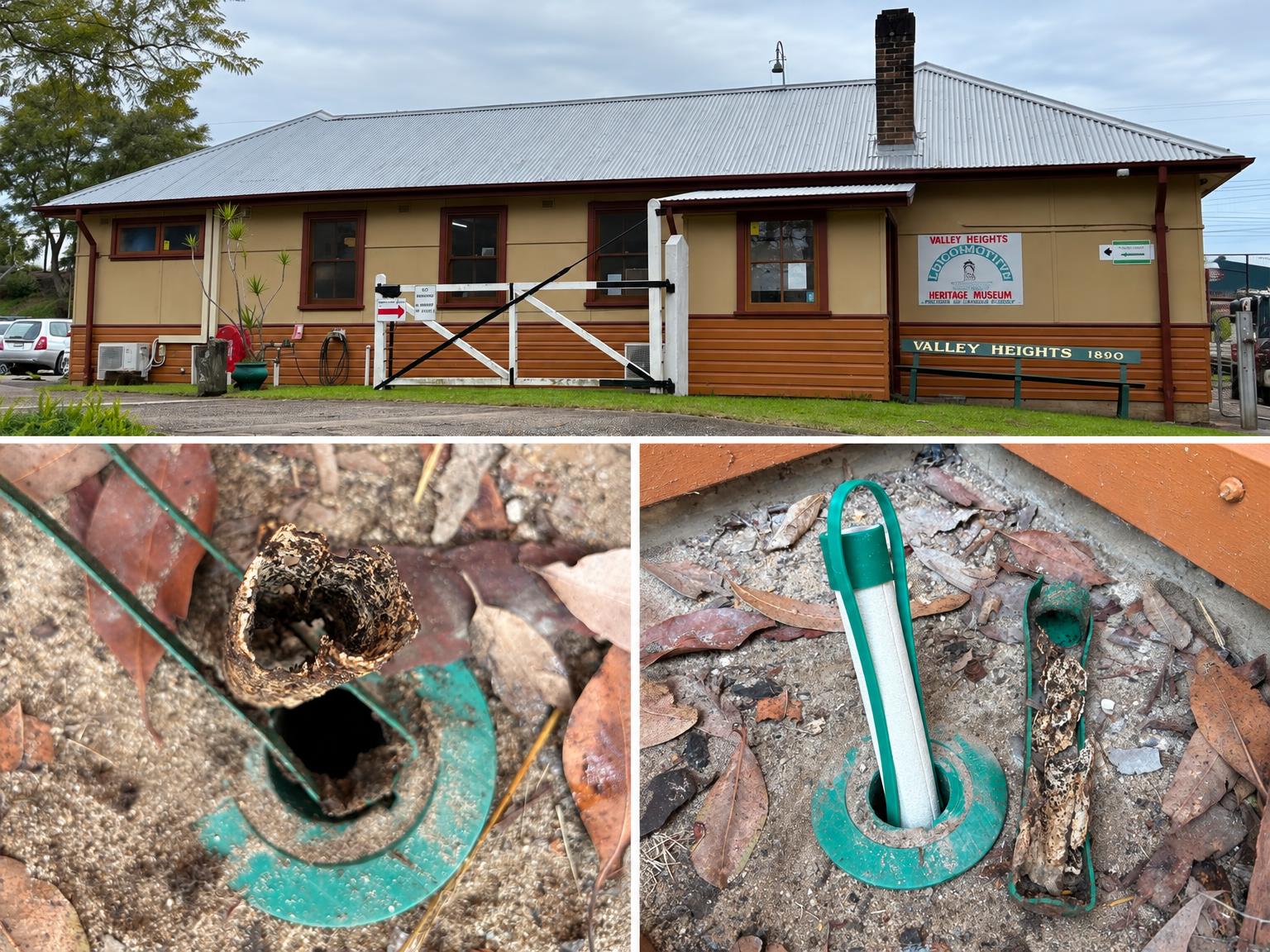
Jason carries out termite work at Valley Heights Railway Museum. These job photos show the completely eaten Sentricon bait rod and its fresh replacement; ongoing checks guide bait replacement and follow-up.
- Our family team
Jason & Katie
Jason and Katie are our husband-and-wife team at Pest Control-Blue Mountains. Behind our pest and termite services is a family team you can put a face to, helping households and businesses across the Blue Mountains and Penrith.


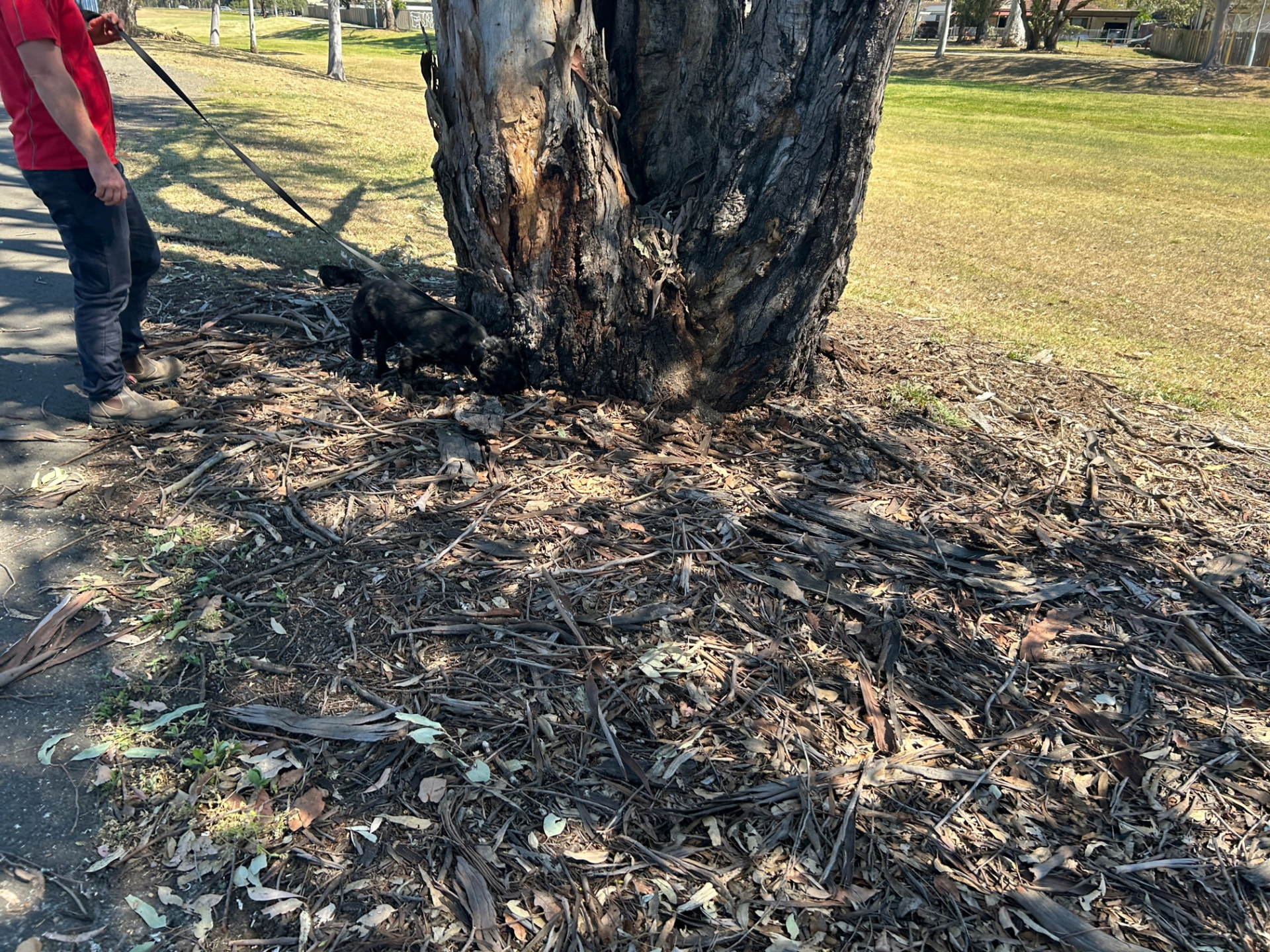
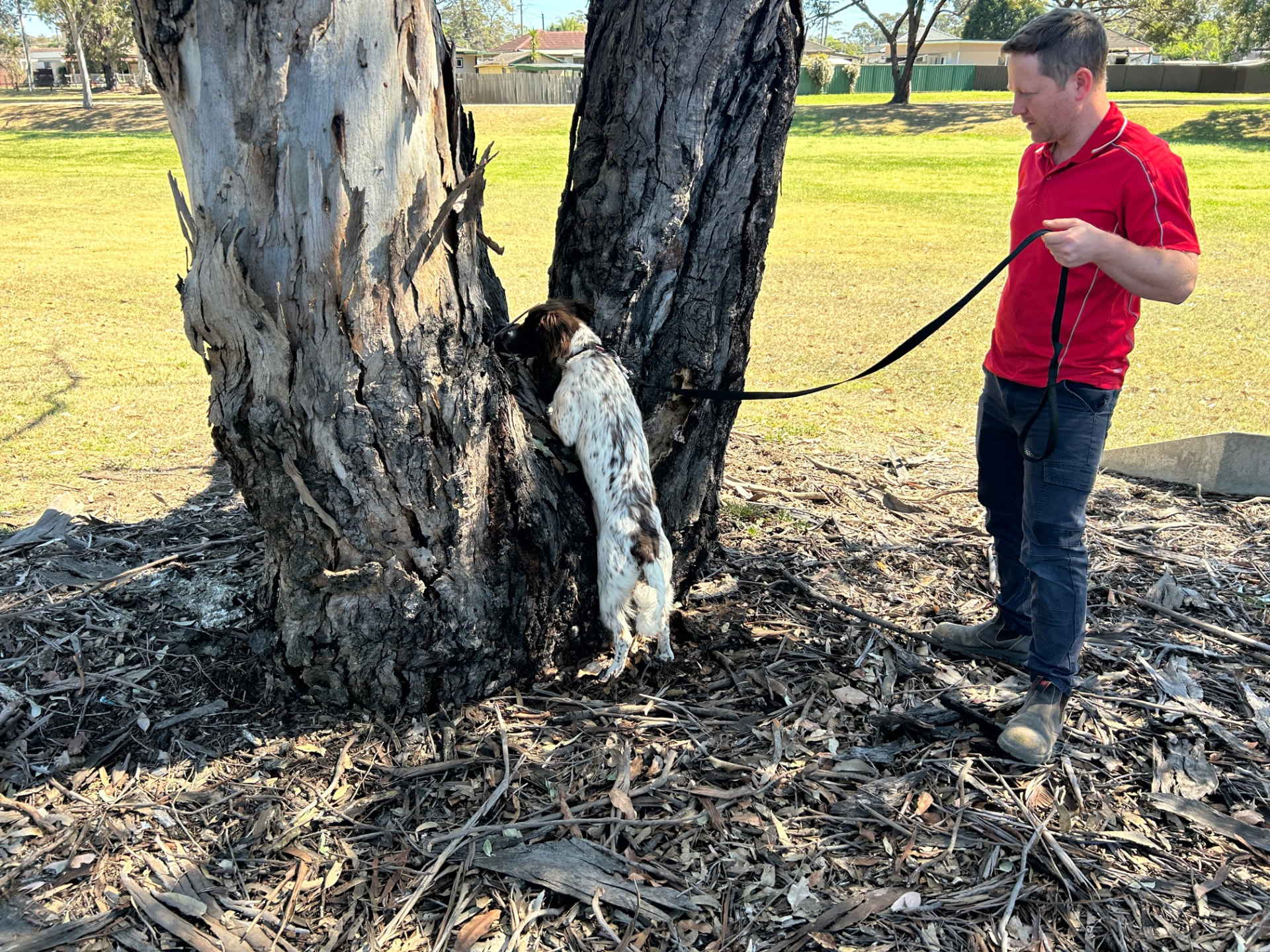
Meet Andy & Lucy, our K9 termite dogs
- Photos from our work
Termite inspections, treatment & baiting
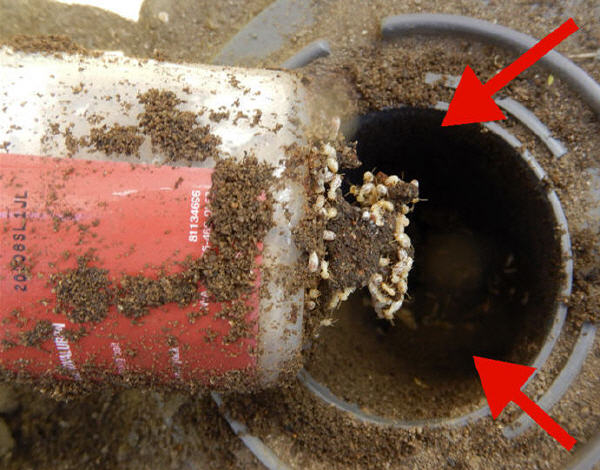
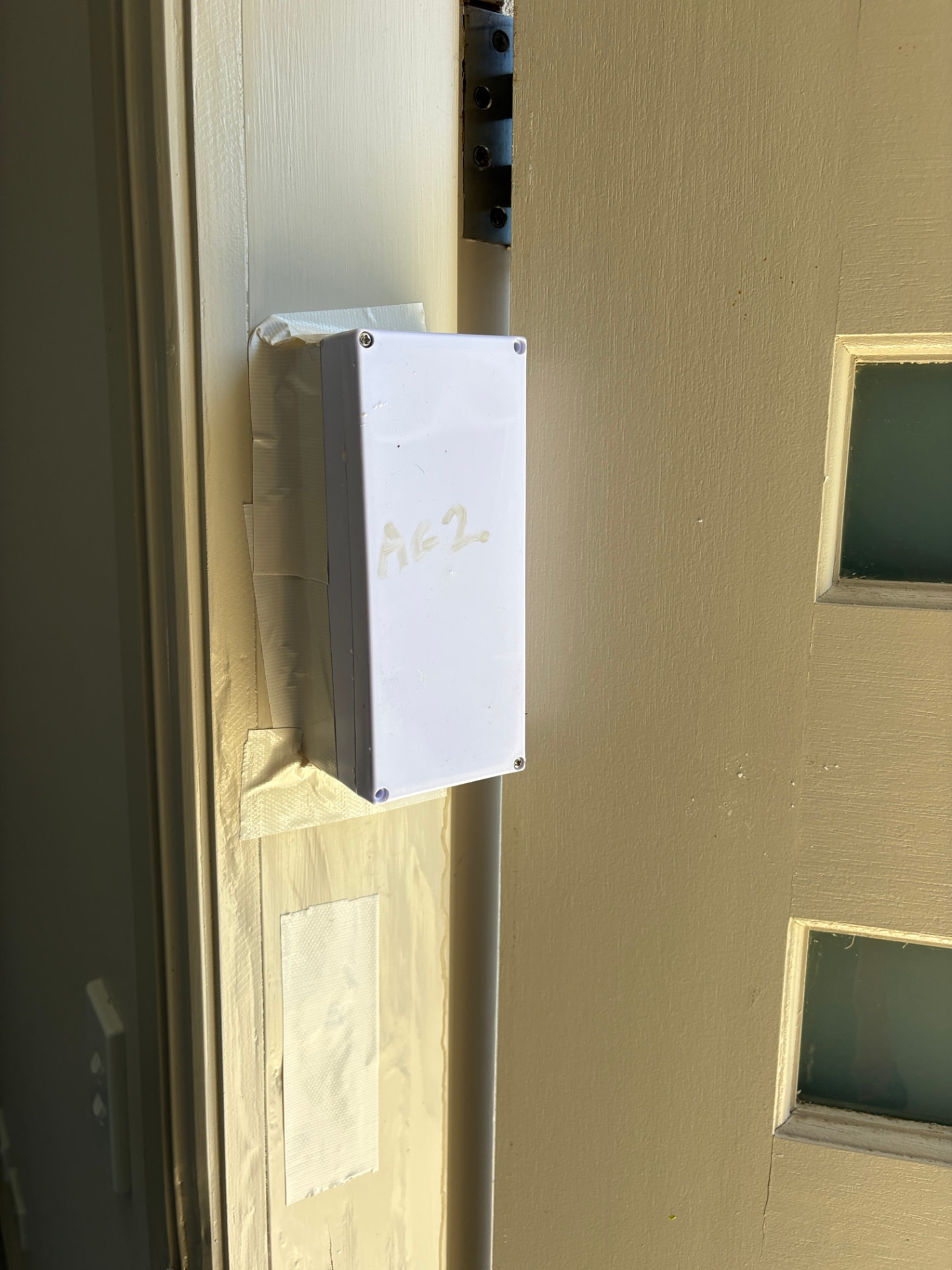
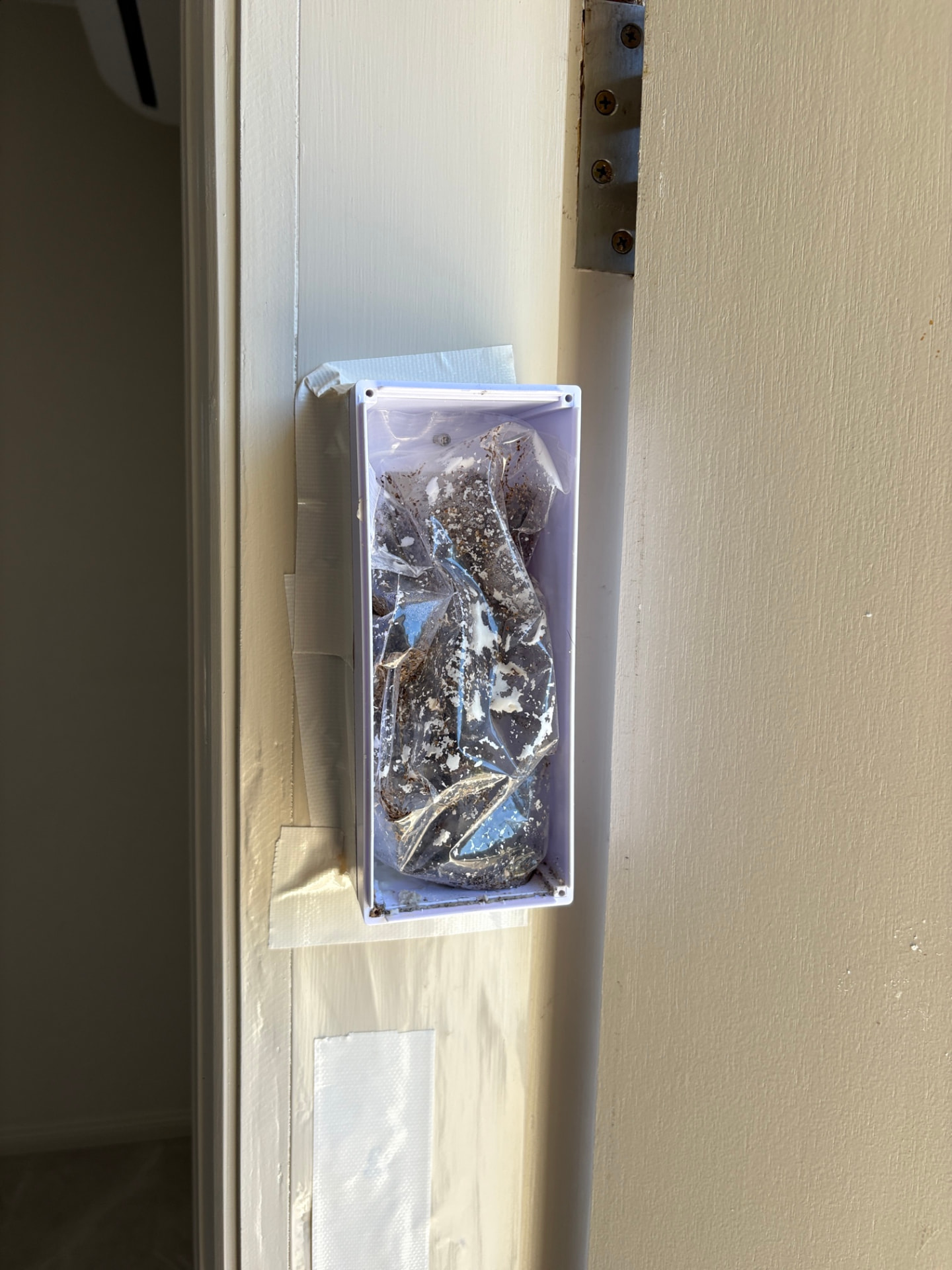
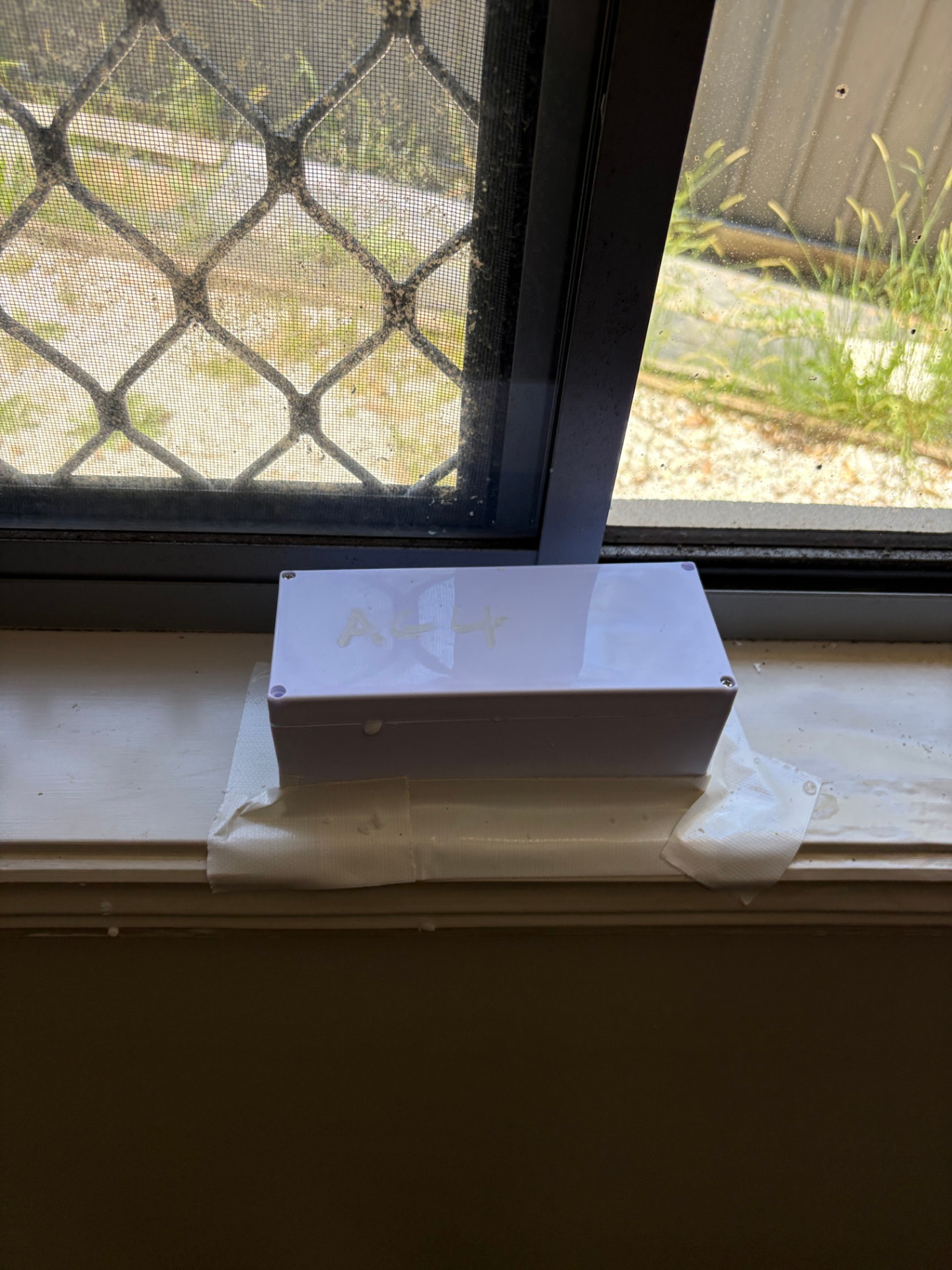
Discovering termites in your home is stressful. Maybe you pulled up a garden sleeper in Faulconbridge, noticed mud tubes on a pier under a cottage in Katoomba, or pushed a screwdriver through a skirting board in Emu Plains. The good news is that termites can be treated effectively when the right approach is used. Our local team identifies the termites, works out where they are coming from, and explains your treatment options clearly so you can make the right decision for your home and budget.
First: don’t disturb the termites
It’s natural to want to spray them or knock off the mud, but disturbing termites usually makes things worse. The colony may abandon that area and move to another part of the house, and it becomes harder to get treatment back to the nest. Cover the area back up if you’ve exposed it, avoid using household sprays, and call us. Leaving termites undisturbed gives treatments the best chance of working.
Termite species in the Blue Mountains
Coptotermes are among the most destructive termites in Australia. They can travel long distances underground from a nest in a tree or stump and cause major damage to buildings.
Schedorhinotermes are also common and often attack timber in contact with soil, such as garden sleepers, fences and subfloors.
Nasutitermes can build visible nests on trees and posts, and are often found in the bushland that surrounds mountain villages.
Identifying the species helps us understand how the colony behaves and which treatment is most suitable.
Treatment options we may recommend
Termite baiting. Bait stations are installed where termites are active, or around the home. Termites feed on the bait and carry it back to the colony, which can lead to colony elimination. Baiting is a good option when the nest cannot be found and is often used with ongoing monitoring.
Direct treatments. In some situations, a termiticide can be applied directly to active termite workings, such as with a foam or dust. This aims to spread through the colony via contact between termites.
Nest treatment. Where the nest can be located — for example in a tree or stump — it may be treated directly.
Soil treatment and barriers. Once activity has been addressed, a chemical soil treatment or other termite management system can help protect the home from future attack. See our termite barriers page.
Often the best result comes from combining methods. We’ll explain why we recommend each step and what’s involved.
What to expect from the process
- Inspection to confirm activity and identify the species
- Written recommendation before work begins
- Follow-up visits to check progress
- Clear explanation of treatment options
- Treatment of active areas and the colony where possible
- Advice on long-term protection and inspections
Repairing termite damage
Once termites have been controlled, damaged timber may need to be repaired or replaced by a qualified builder or carpenter. It’s important not to repair damage before the termites are dealt with, as this can disturb the colony. We can let you know when it’s safe to proceed.
Why the mountains need extra care
Homes near bushland — like those backing onto the national park in Glenbrook, Woodford, Wentworth Falls and Blackheath — are surrounded by natural termite habitat. Even after a colony is treated, new colonies can find their way to the house. That’s why ongoing termite inspections and a long-term protection plan are so important in this area.
Treatment for businesses and heritage buildings
Termites don’t only target homes. Heritage guesthouses, churches and businesses throughout Katoomba, Leura and Medlow Bath often contain significant timber that needs careful treatment. Schools, offices and warehouses in Penrith and St Marys also need protection. Learn about our commercial pest control.
Reducing the chance of termites returning
- Book regular termite inspections
- Keep timber, mulch and soil away from walls
- Keep subfloors well ventilated
- Fix leaks and drainage problems quickly
- Remove old stumps and dead trees near the home
- Maintain any termite system installed
Why DIY termite treatments rarely work
Locating the nest
Insurance and termite damage
Many home insurance policies don’t cover termite damage, which makes early detection and treatment even more important. Check your policy and keep records of inspections and treatments.
Termite treatment across the Blue Mountains
We service every village from Lapstone and the Lapstone Zig Zag through Glenbrook, Blaxland, Hazelbrook, Lawson and Bullaburra, up to Medlow Bath, Mount Victoria and the gardens of Mount Wilson and Mount Tomah. Choose your suburb:
Termite treatment in Penrith
We also treat homes in Penrith, Emu Heights, Regentville, Glenmore Park, Mulgoa, Wallacia, Werrington and St Clair, including properties near the Nepean River. View every suburb on our Site Map.
Related services
See termite inspections, termite barriers, residential pest control and rodent control, or learn more about our local team.
Frequently asked questions
How long does termite treatment take to work?
Is treatment safe for my family and pets?
Will I need follow-up visits?
Found termites? Call us before you touch them.
Need help at your property?
Talk to a local technician about treatment for your home or business.
Pest Services
- Cockroach Control →
- Rodent Control →
- Spider Control →
- Wasp Control →
- Termite Inspections →
- Termite Treatments →
- Termite Barriers →
- K9 Termite Inspections →
- Termite Control Blue Mountains & Penrith →
- Pre-Purchase Termite Inspections →
- Found Live Termites? →
- Termite Treatment Options →
- Termite Baiting & Monitoring →
- Targeted Termite Treatment →
- Termite Prevention & Risk Reduction →
- Residential Pest Control →
- Commercial Pest Control →
Blue Mountains Areas
- Start here