Protecting timber without losing sight of the place
Historic buildings have more than timber to protect. Their original materials, setting and day-to-day use all shape a termite management plan. Our work at these three sites combines careful inspection with baiting and follow-up suited to the findings. The photographs are supplied job photos, showing the buildings, stations, damage and hands-on checks rather than generic illustrations.
A heritage property may have concealed timber, older additions, uneven ground levels or access restrictions. We discuss those conditions with the person responsible for the site before selecting a treatment. Where heritage consent or site-manager approval is required, it must be obtained before alterations or installation work proceeds.
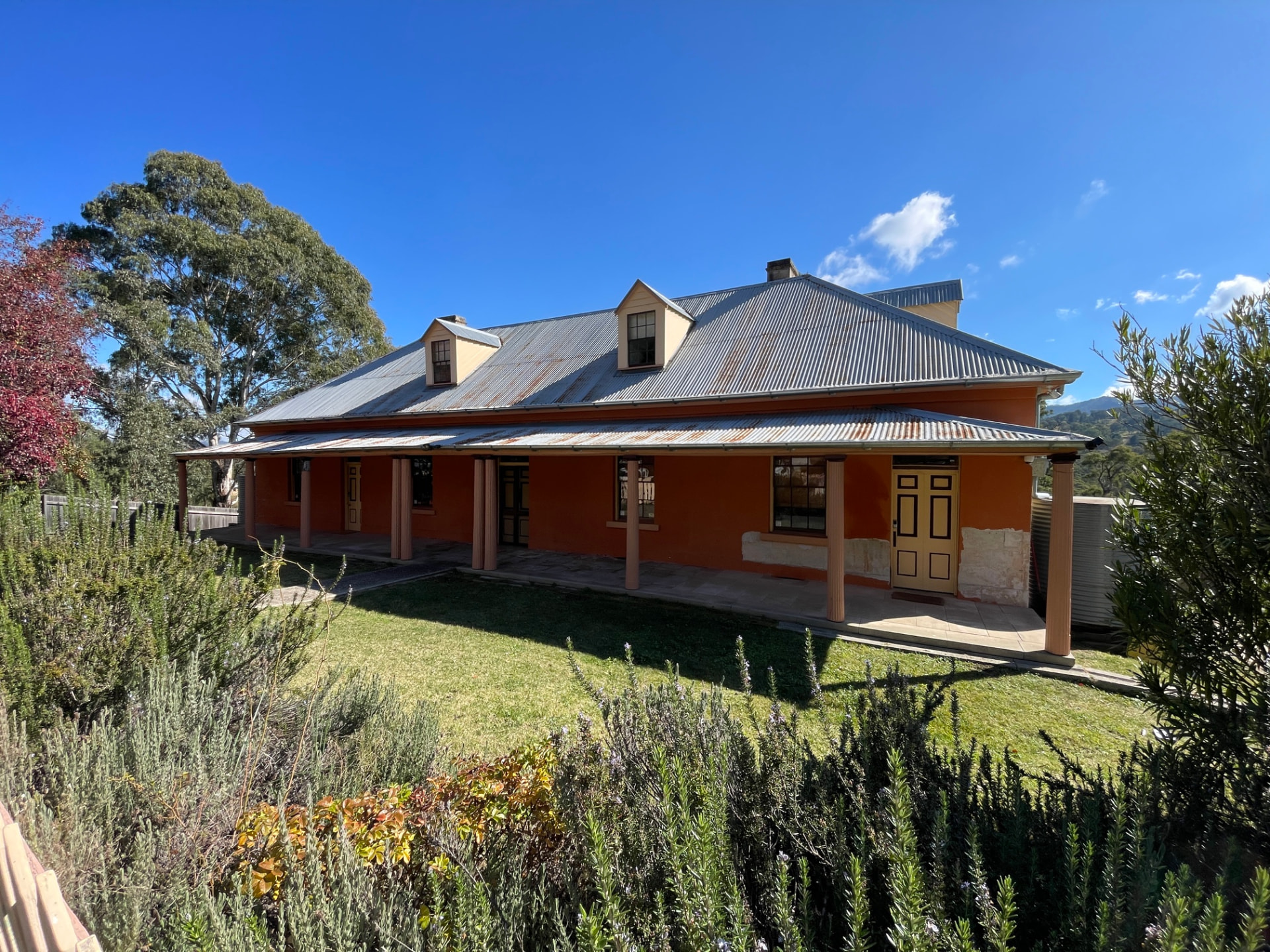
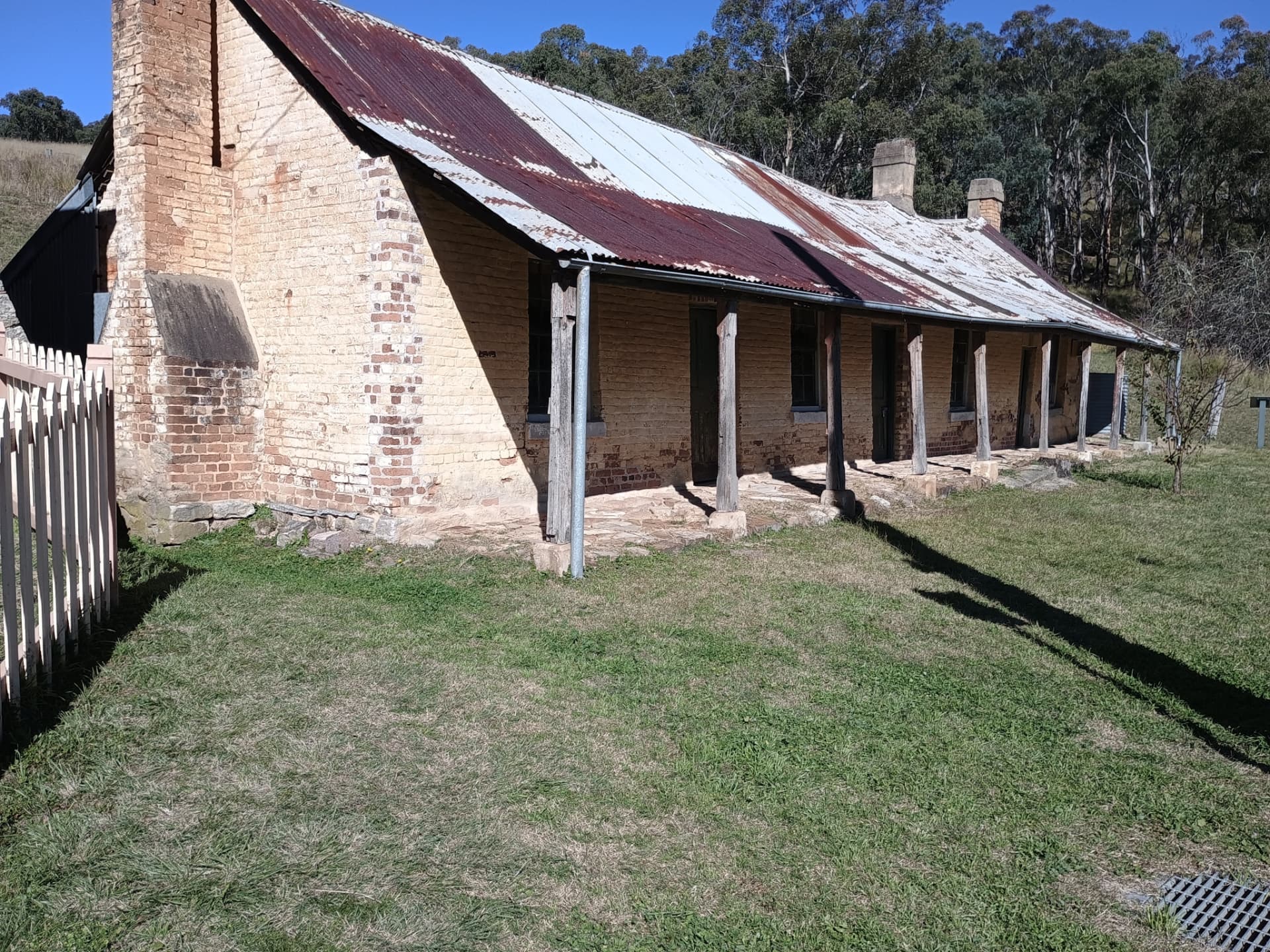
Hartley Historic Village
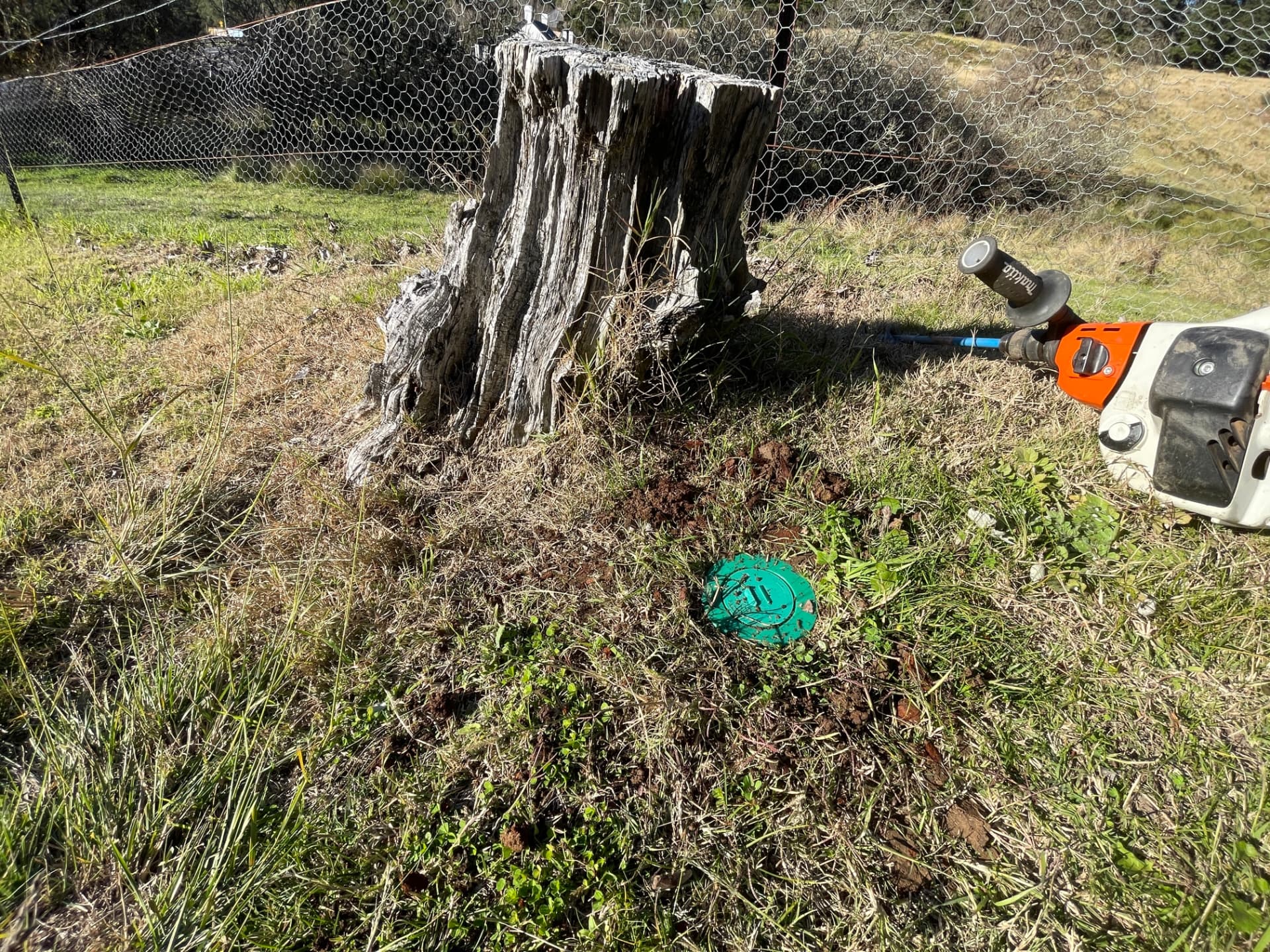
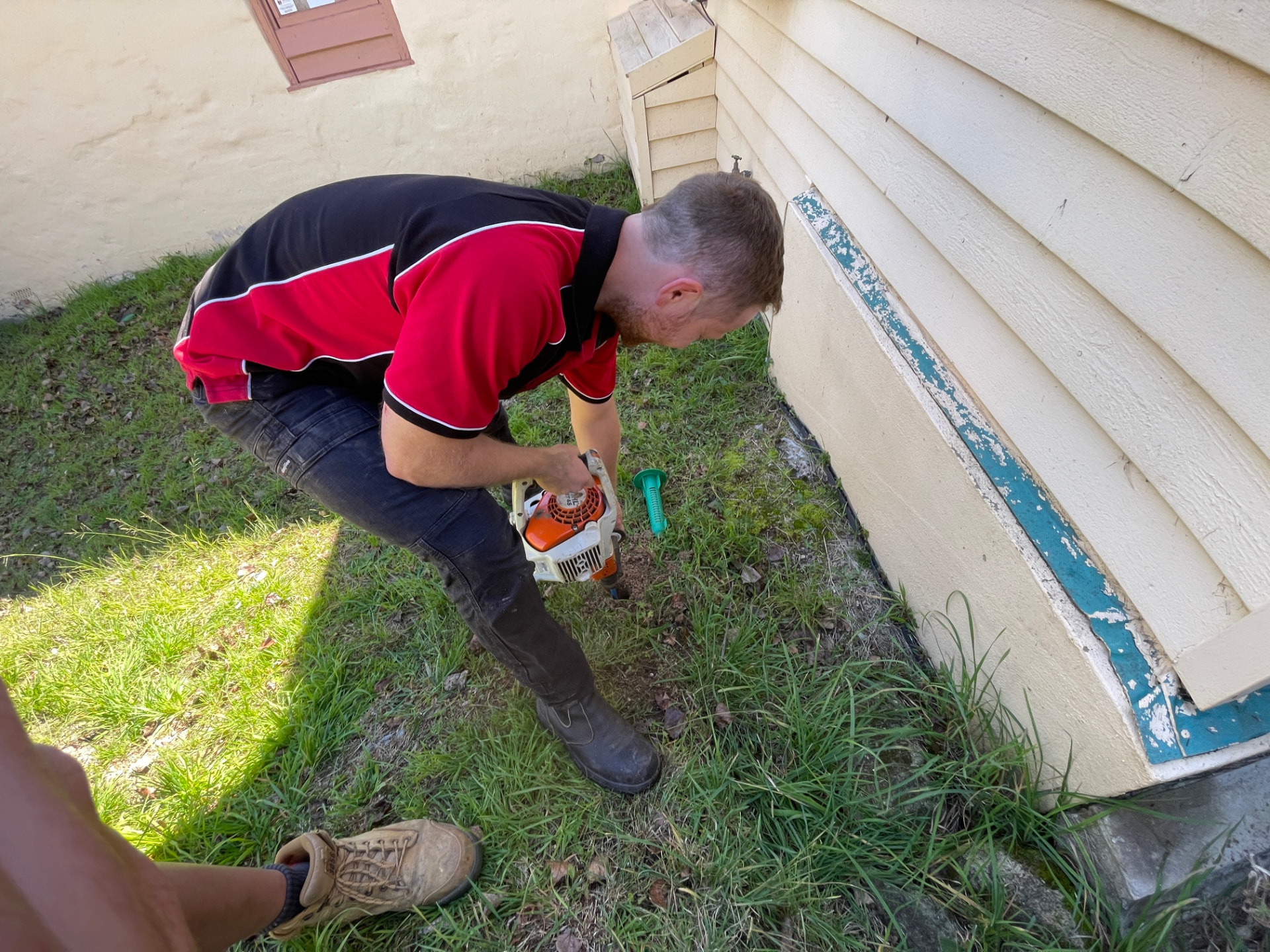
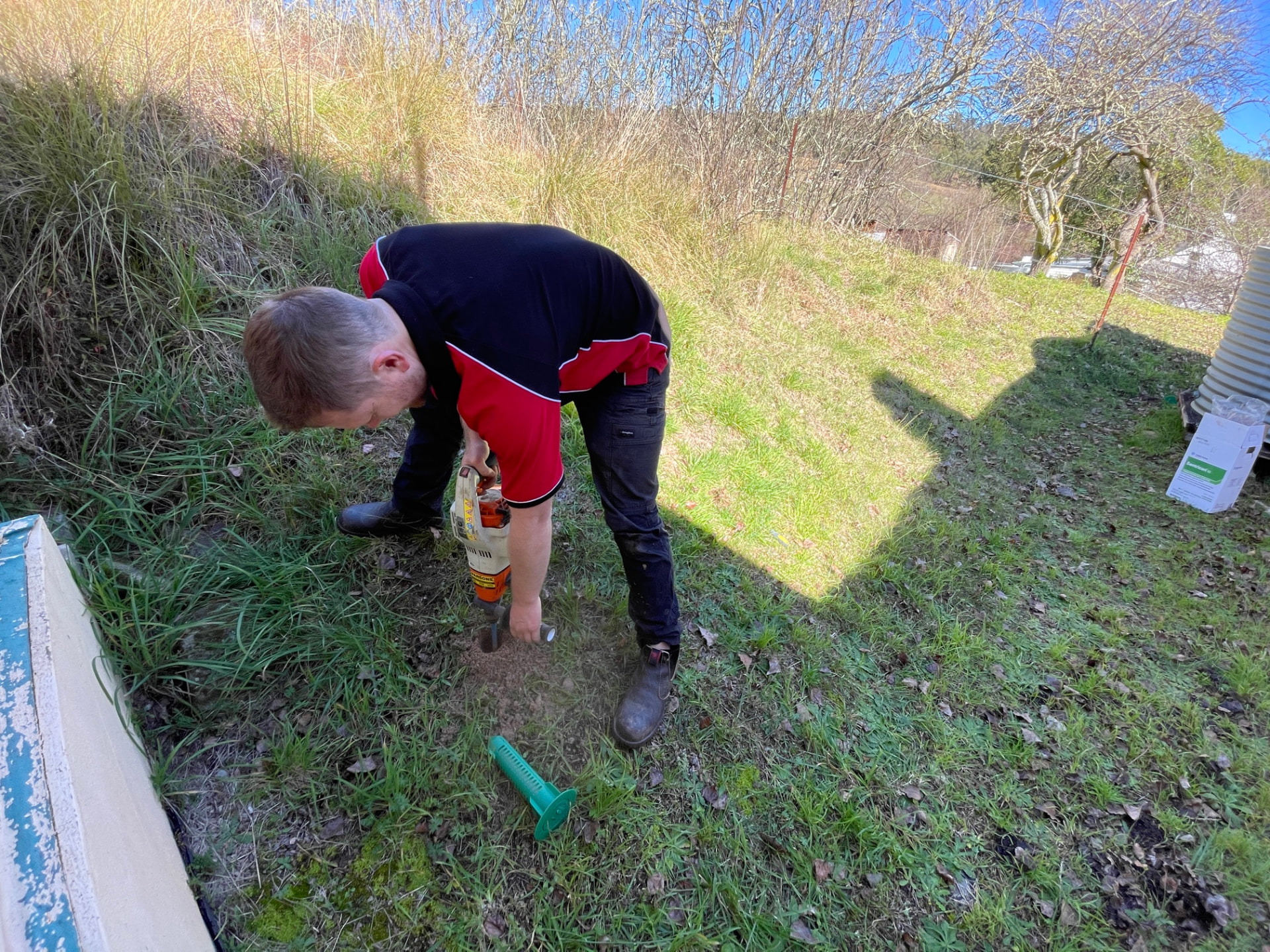
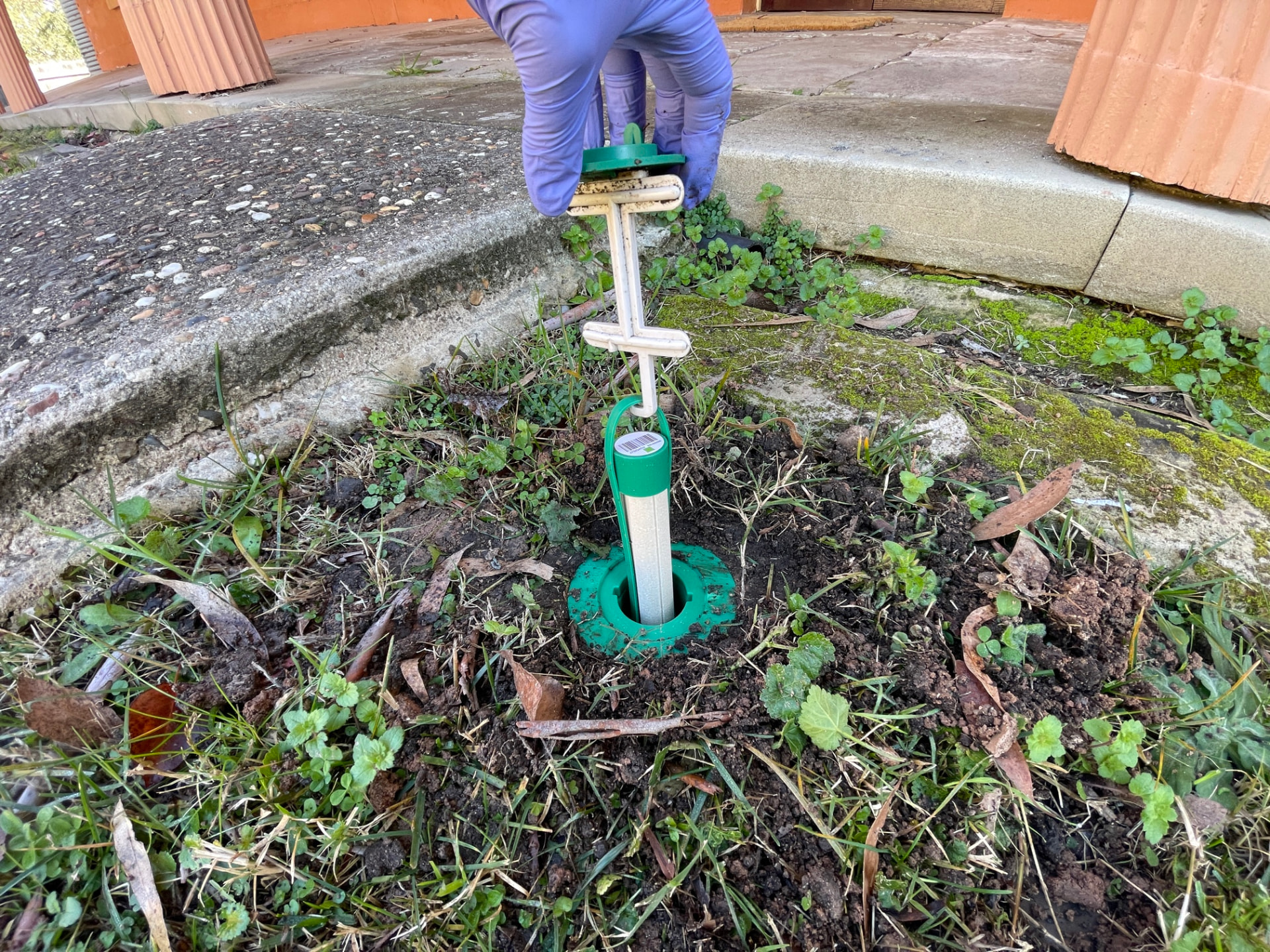
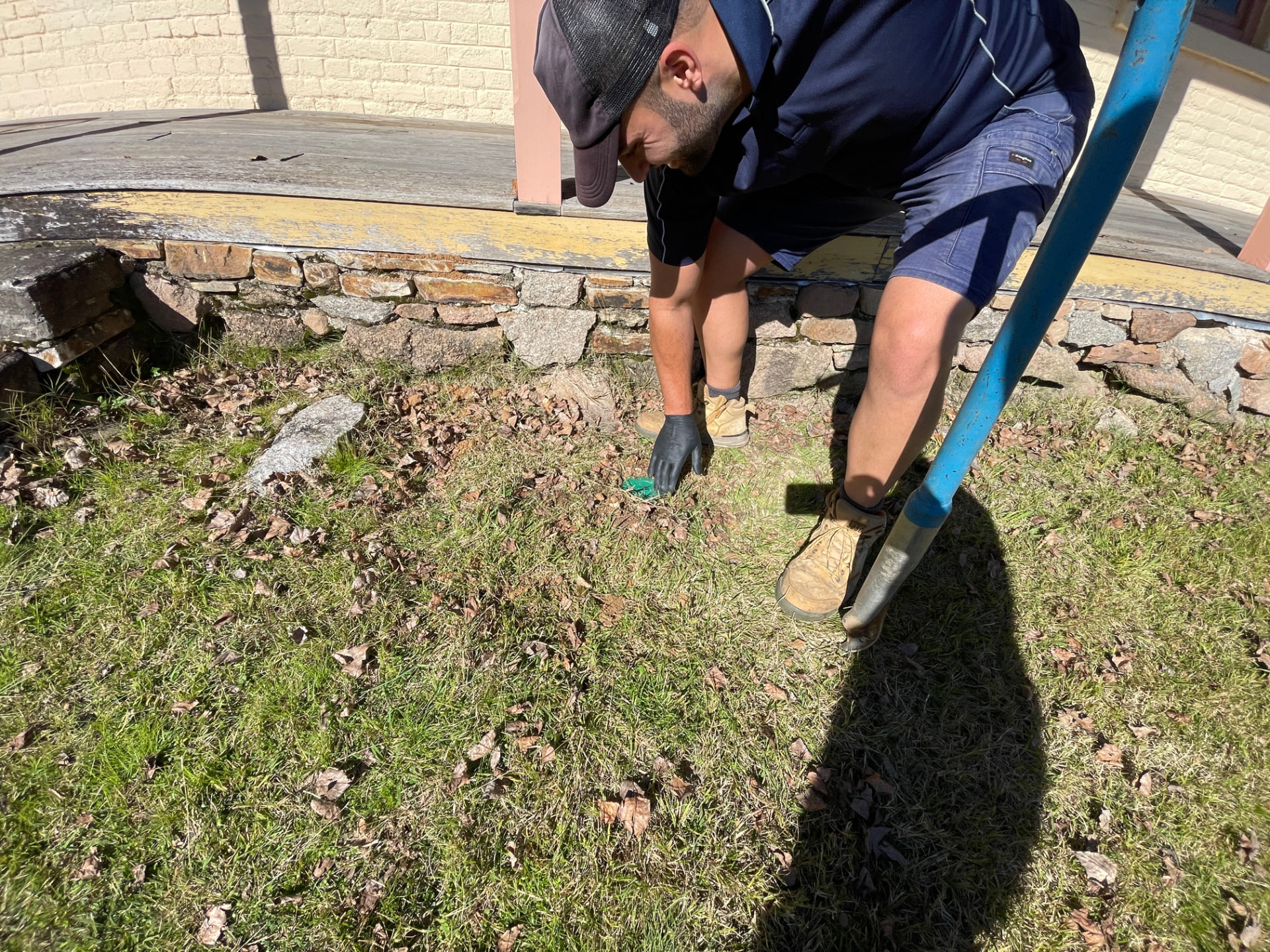
Hartley’s historic buildings need a property-specific approach. Timber elements, ground contact and surrounding vegetation all matter when assessing termite risk. Our supplied work photos show station checks and baiting around the buildings and nearby grounds.
Hartley Historic Village — one of the sites our team treats.
In-ground station beside a stump at Hartley
Jason checking a station beside a Hartley building
Jason working at an in-ground station at Hartley
Historic stone building at Hartley
Checking a bait cartridge at Hartley
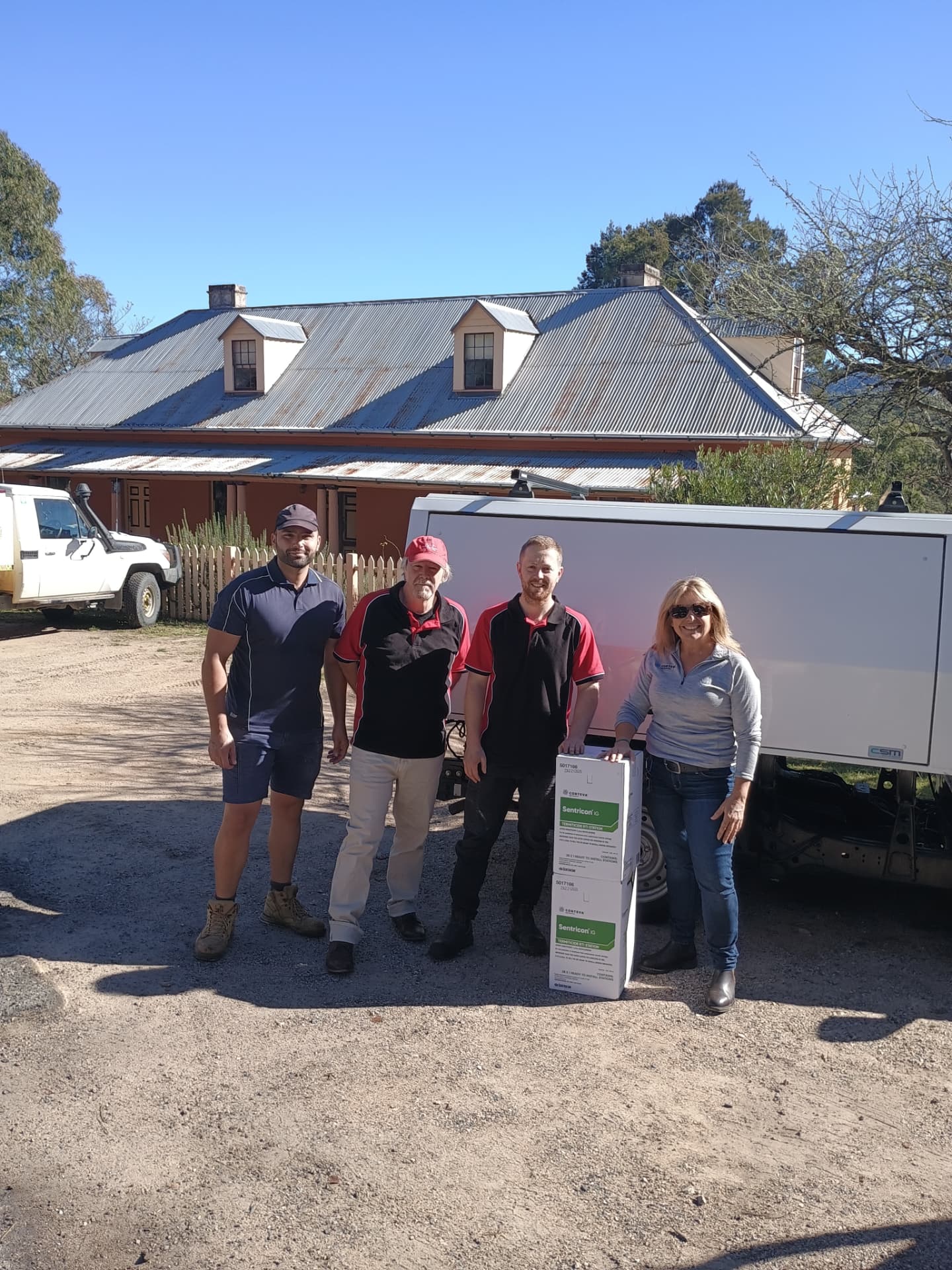
Jason / Team and Sentricon Rep at Hartley Hotel
Station work beside a Hartley building
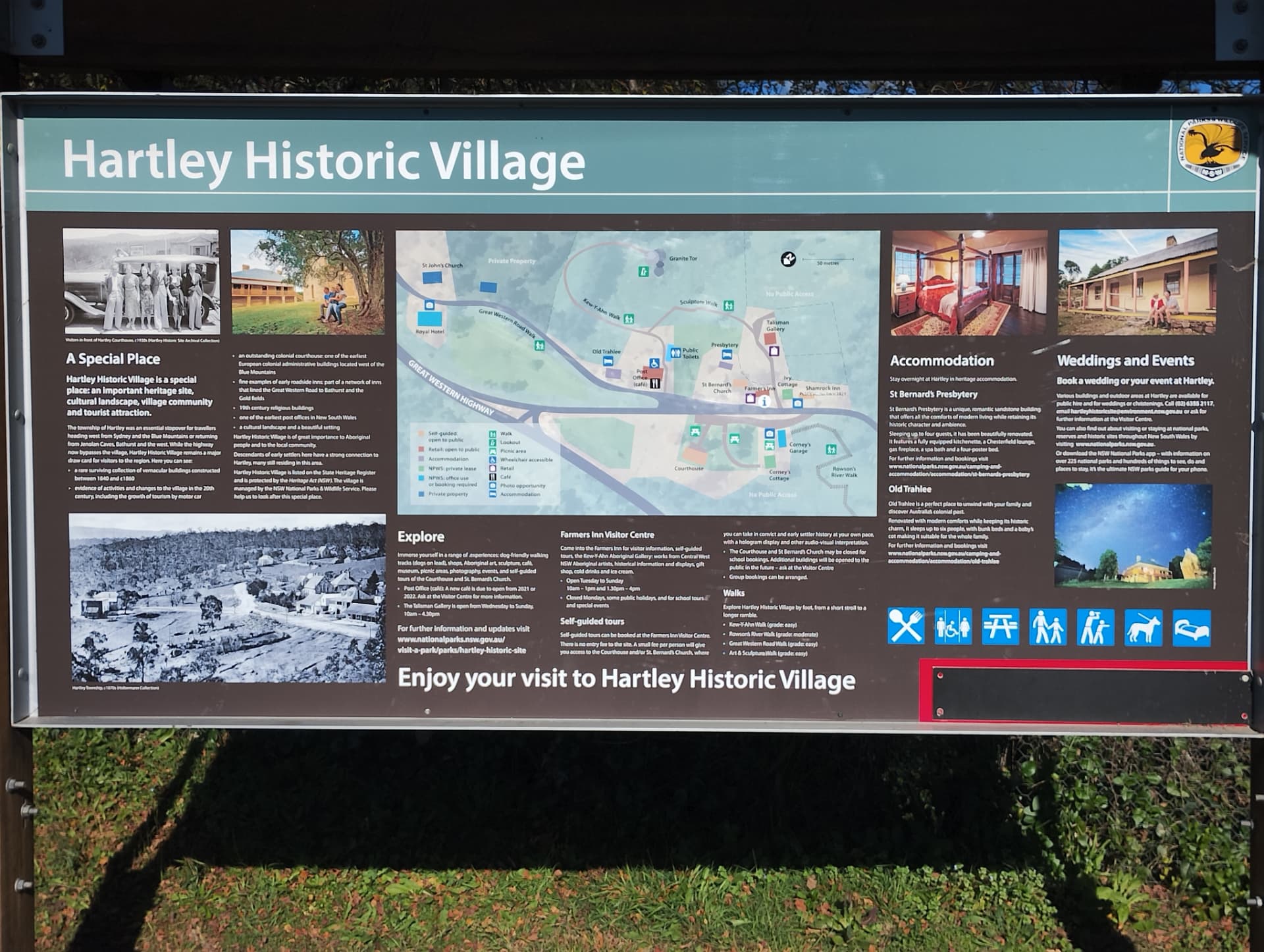
Hartley Historic Village information sign
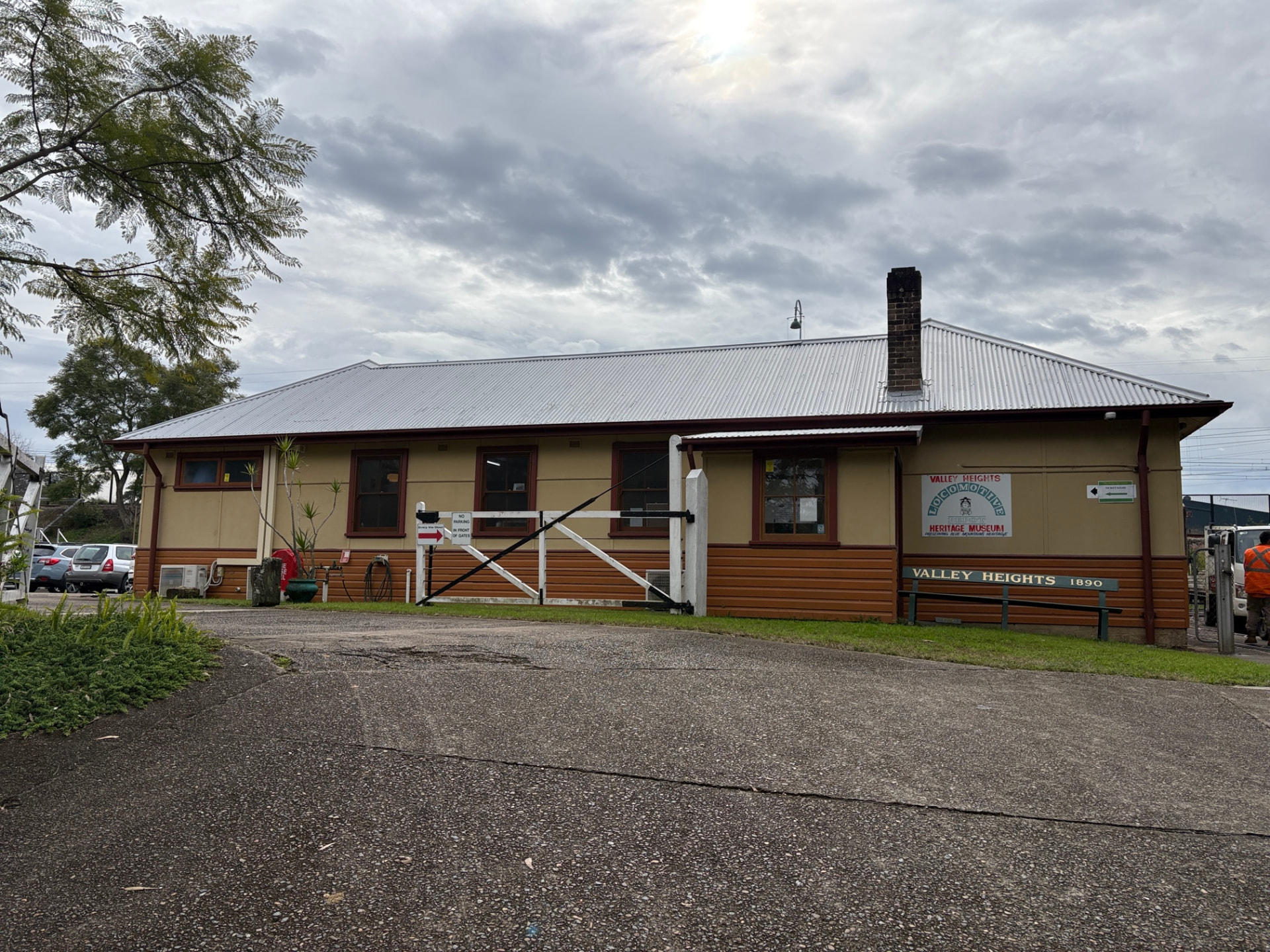
Valley Heights Railway Museum
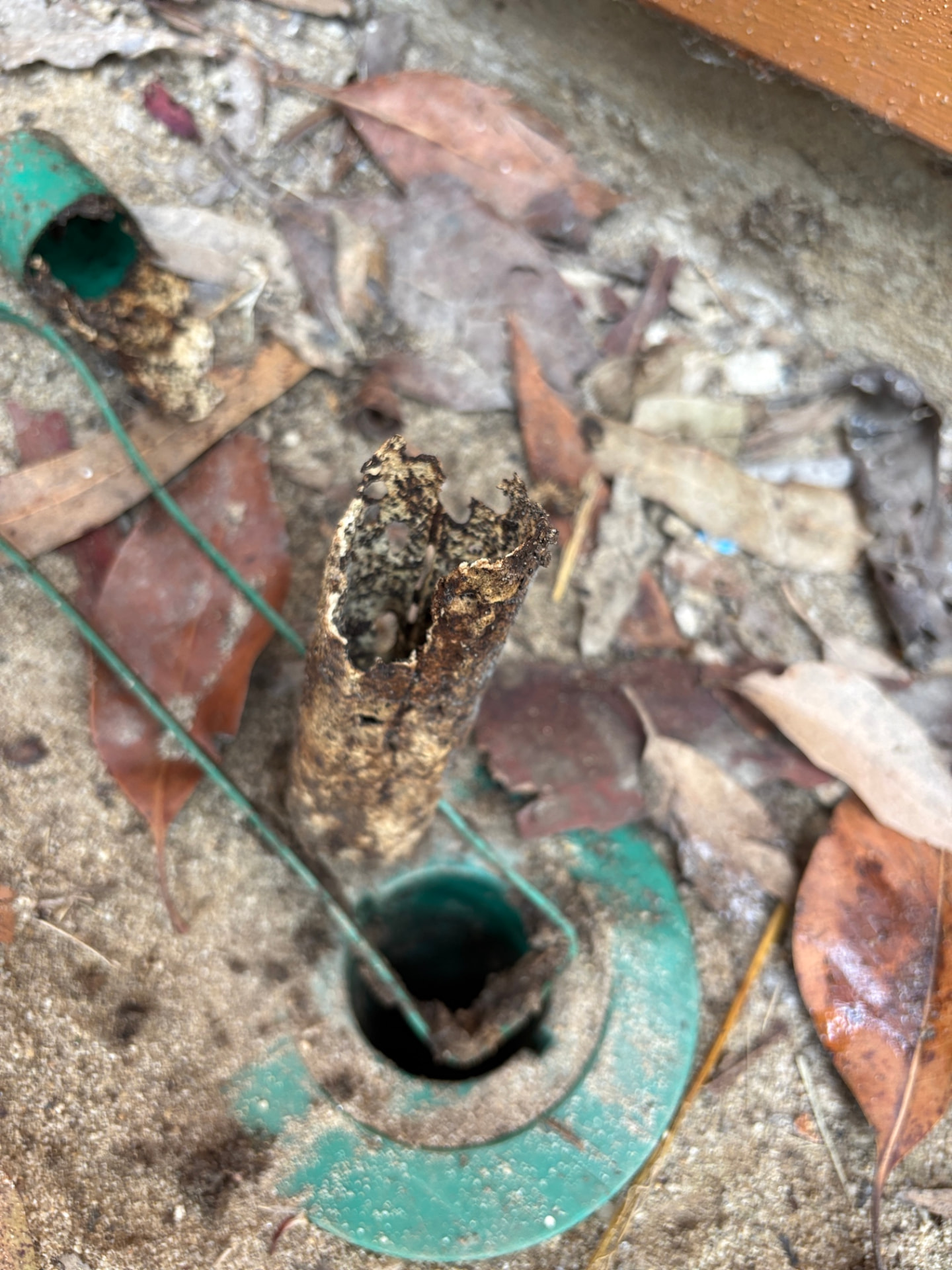
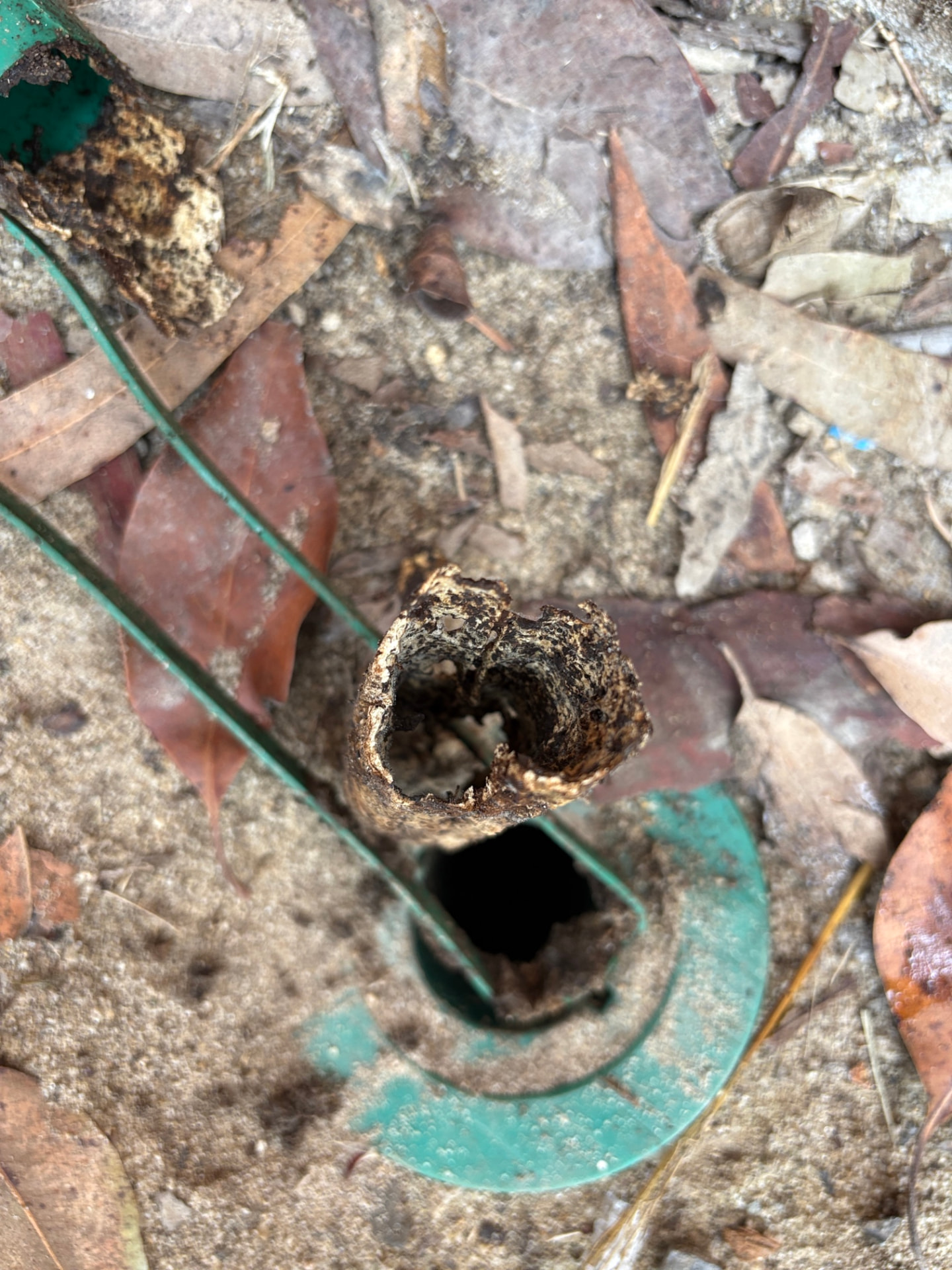
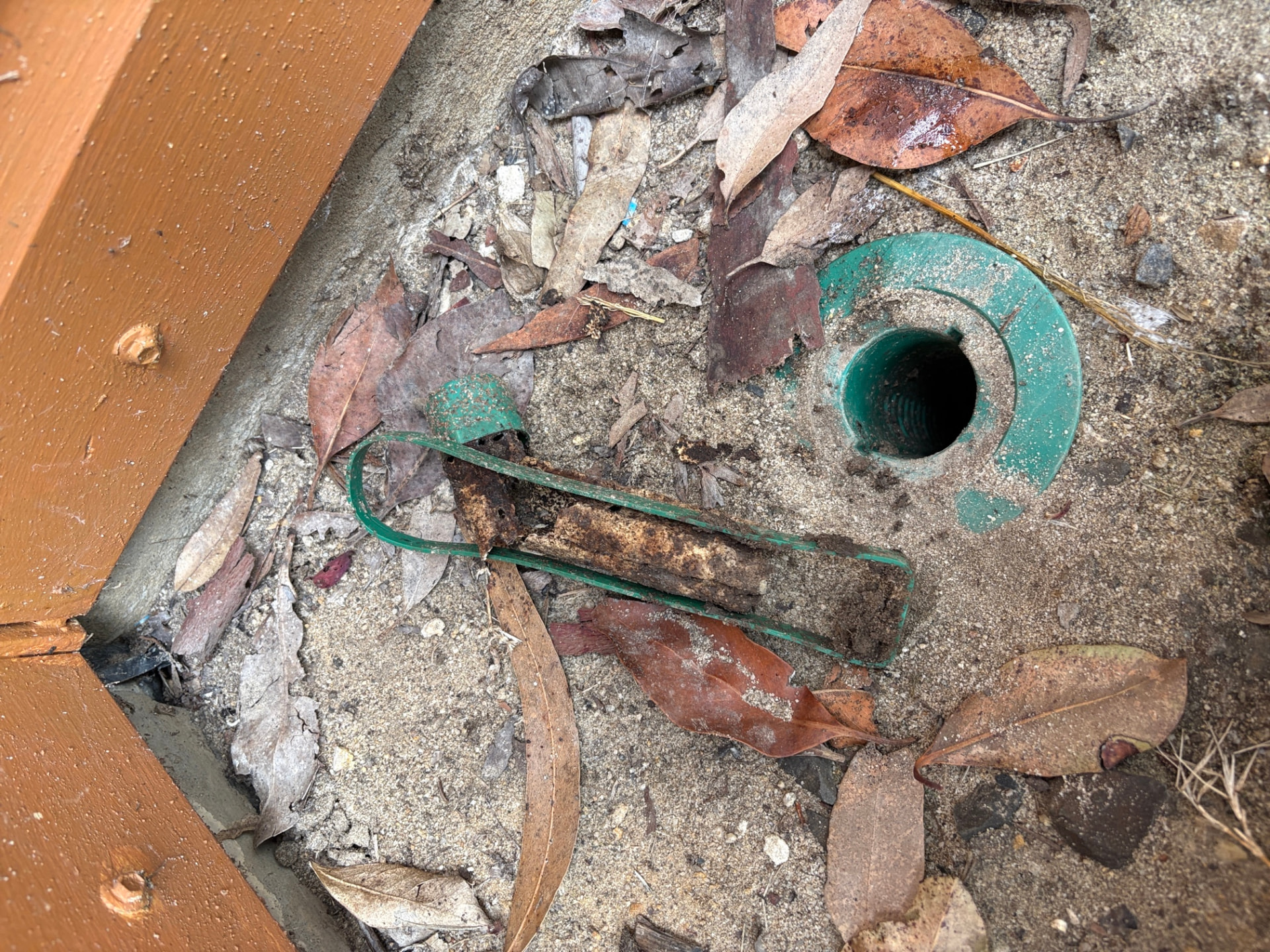
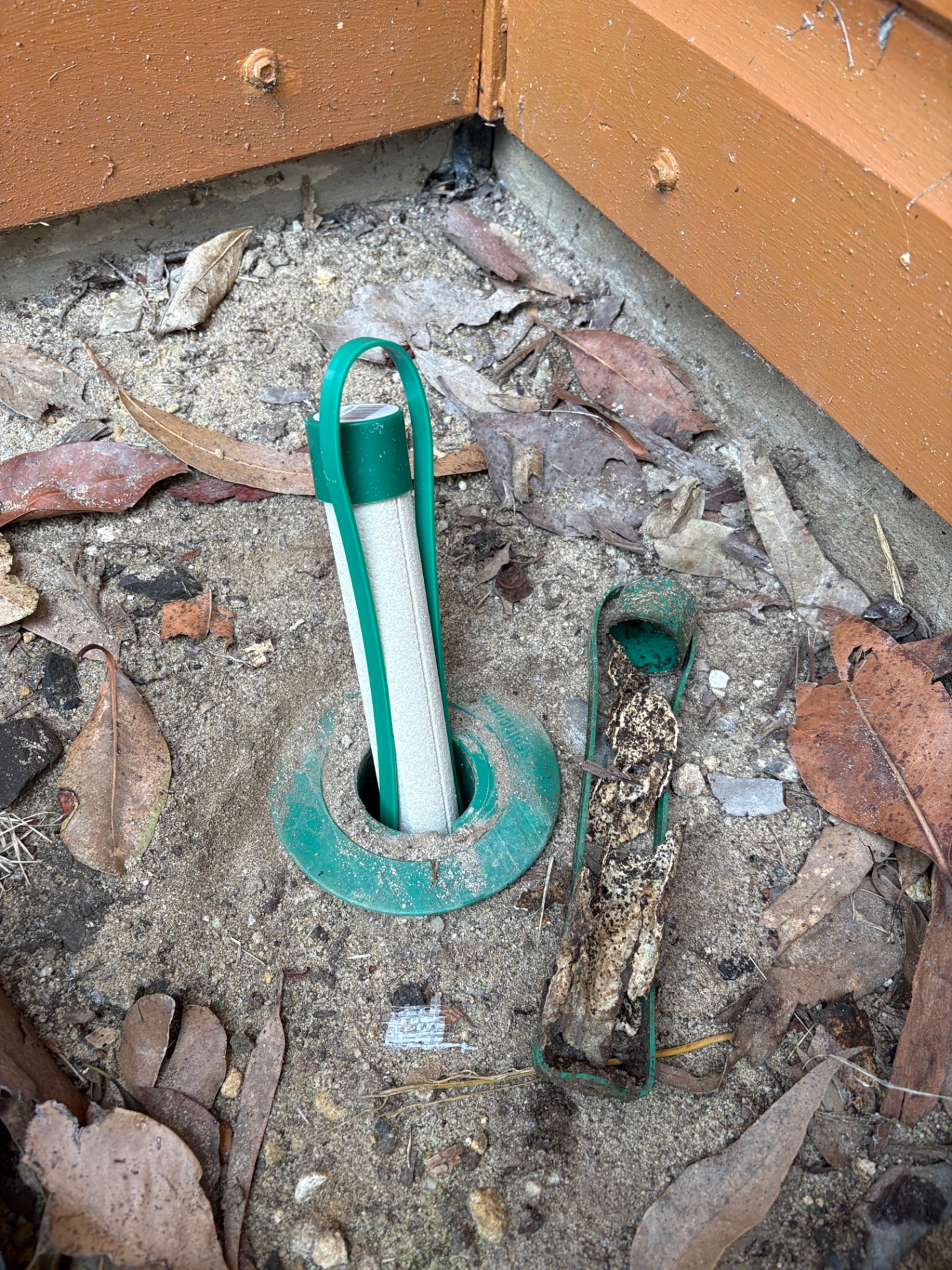
Jason carries out termite work at Valley Heights Railway Museum. The photographs below show a heavily consumed bait rod removed from a station and a fresh replacement. They illustrate why bait stations need continuing checks: visible feeding is evidence to assess, not proof by itself that a colony has been eliminated.
Valley Heights Railway Museum — one of the sites our team treats.
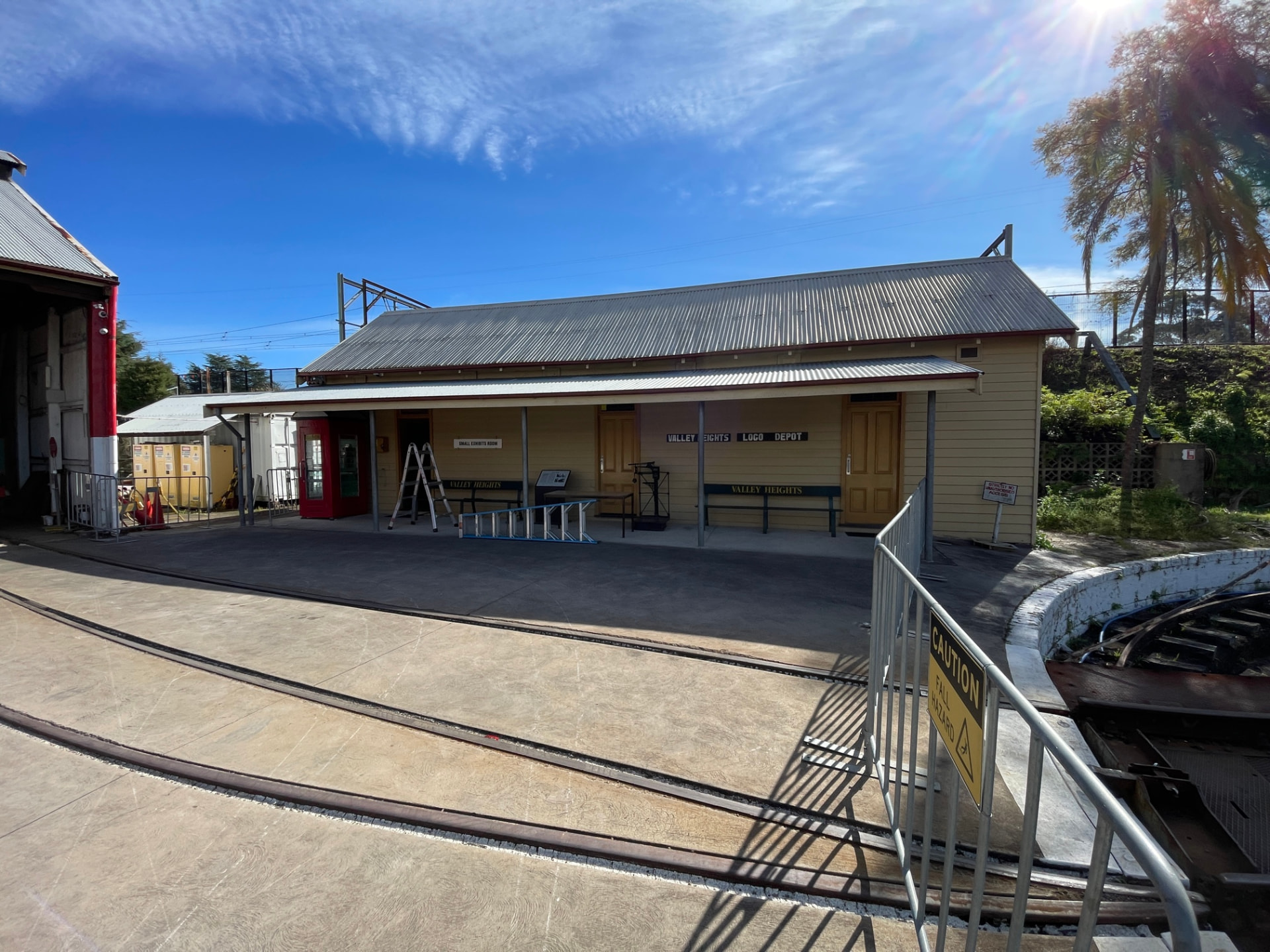
Valley Heights locomotive depot building and railway tracks at the museum
Removed bait rod beside a Sentricon station
Hollow, eaten bait rod above its station
Close-up of the consumed bait rod
Eaten rod laid beside an open station
Fresh replacement rod beside the eaten rod
Glenbrook Native Plant Reserve
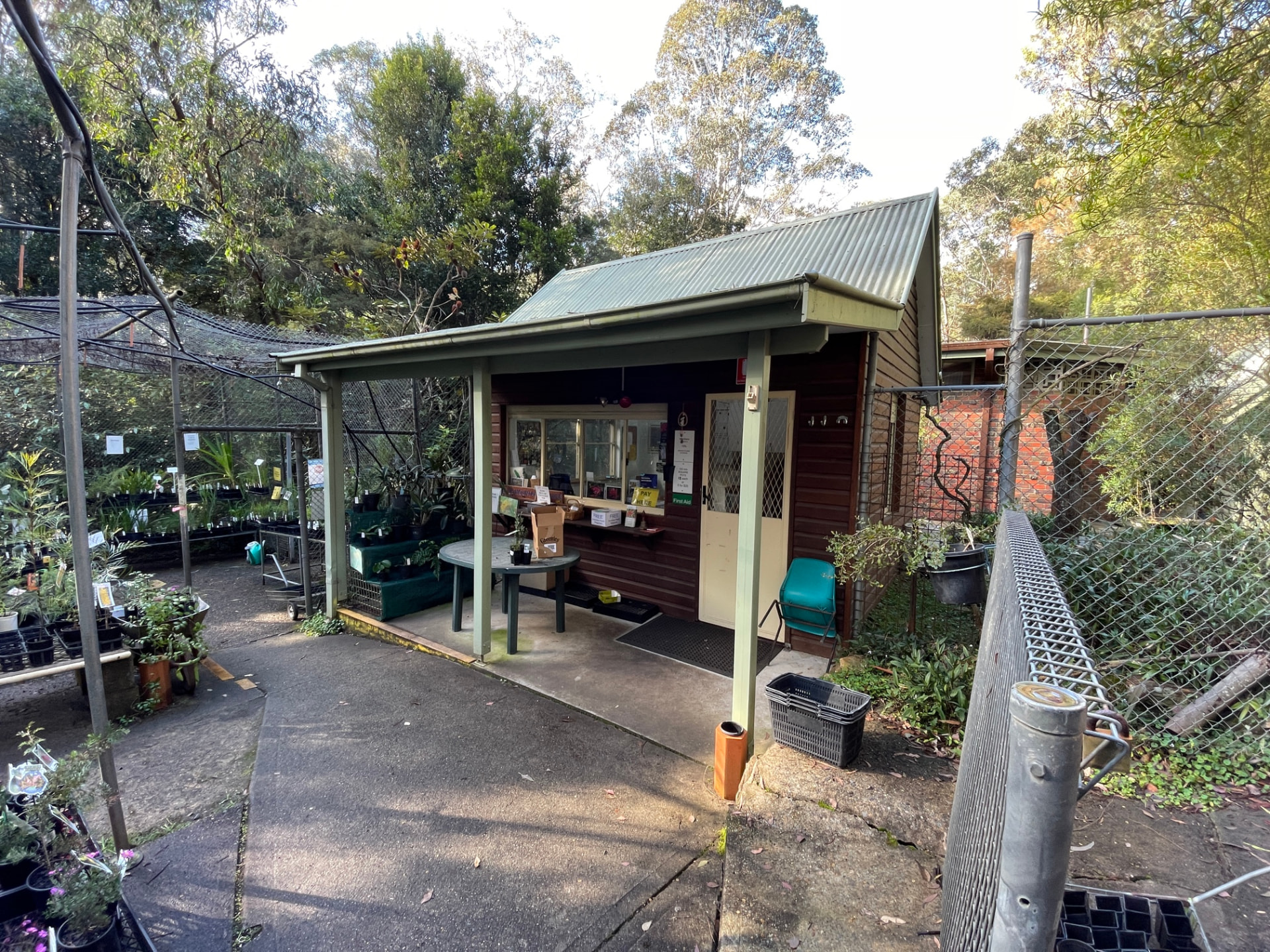
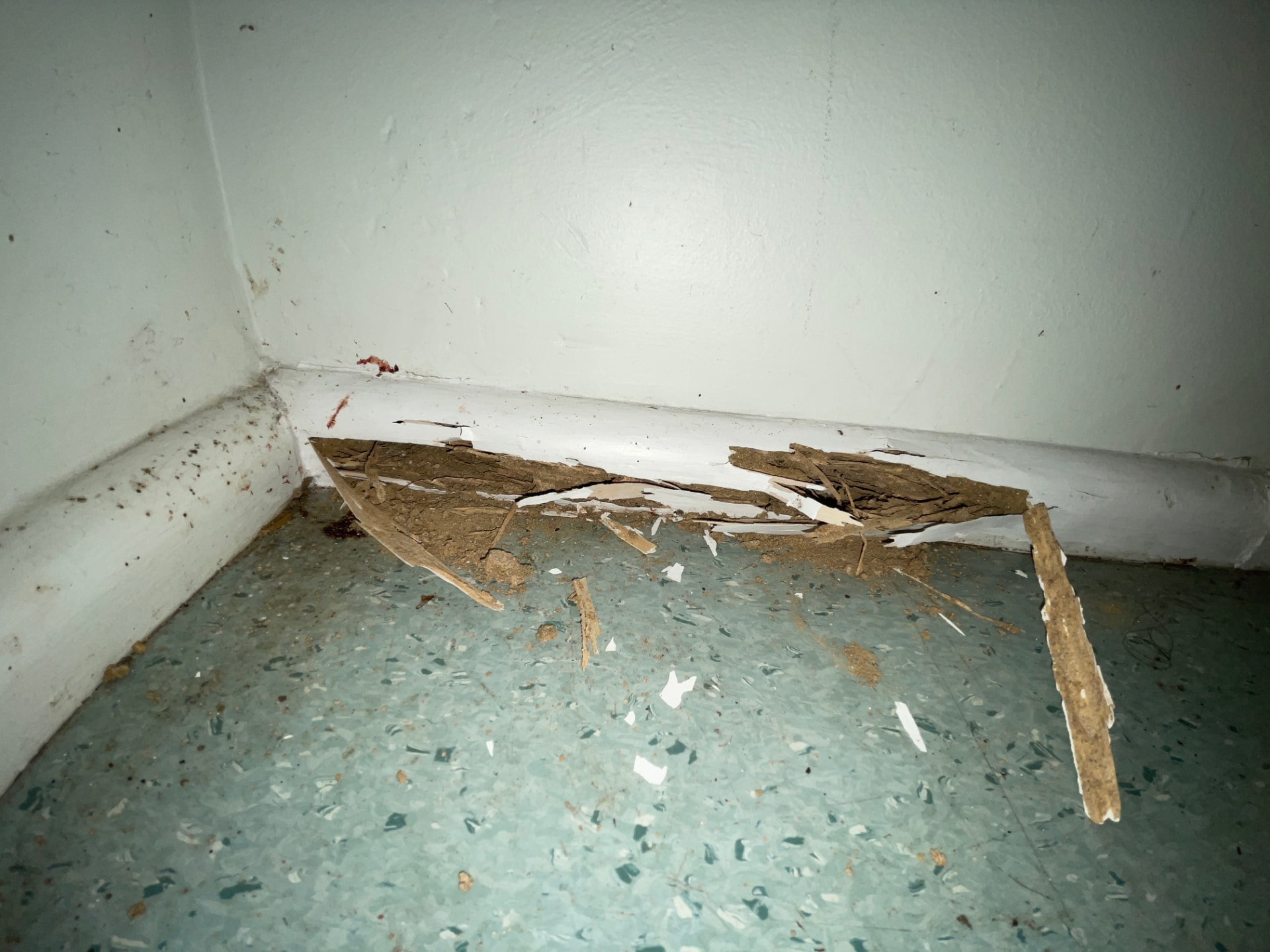
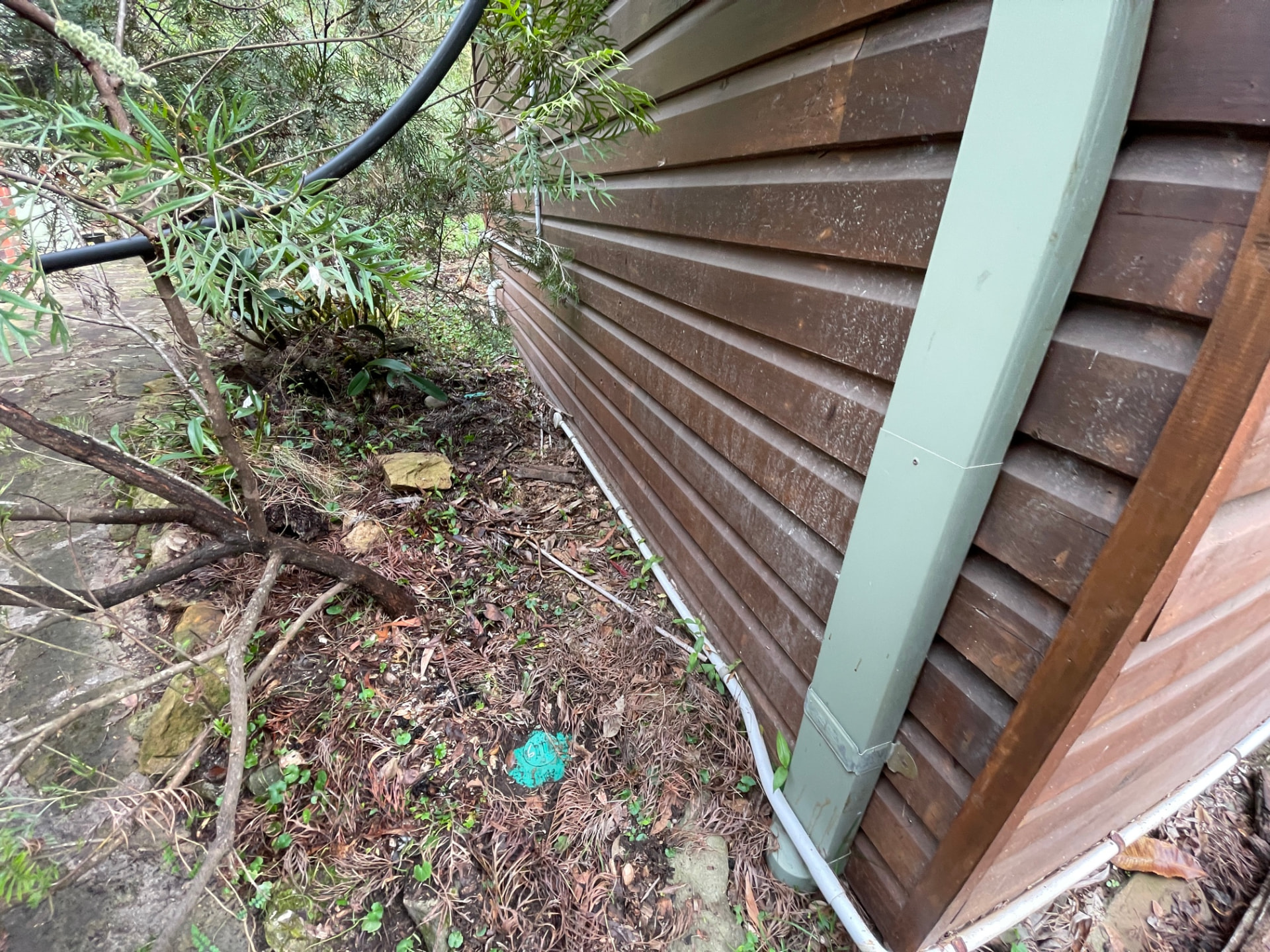
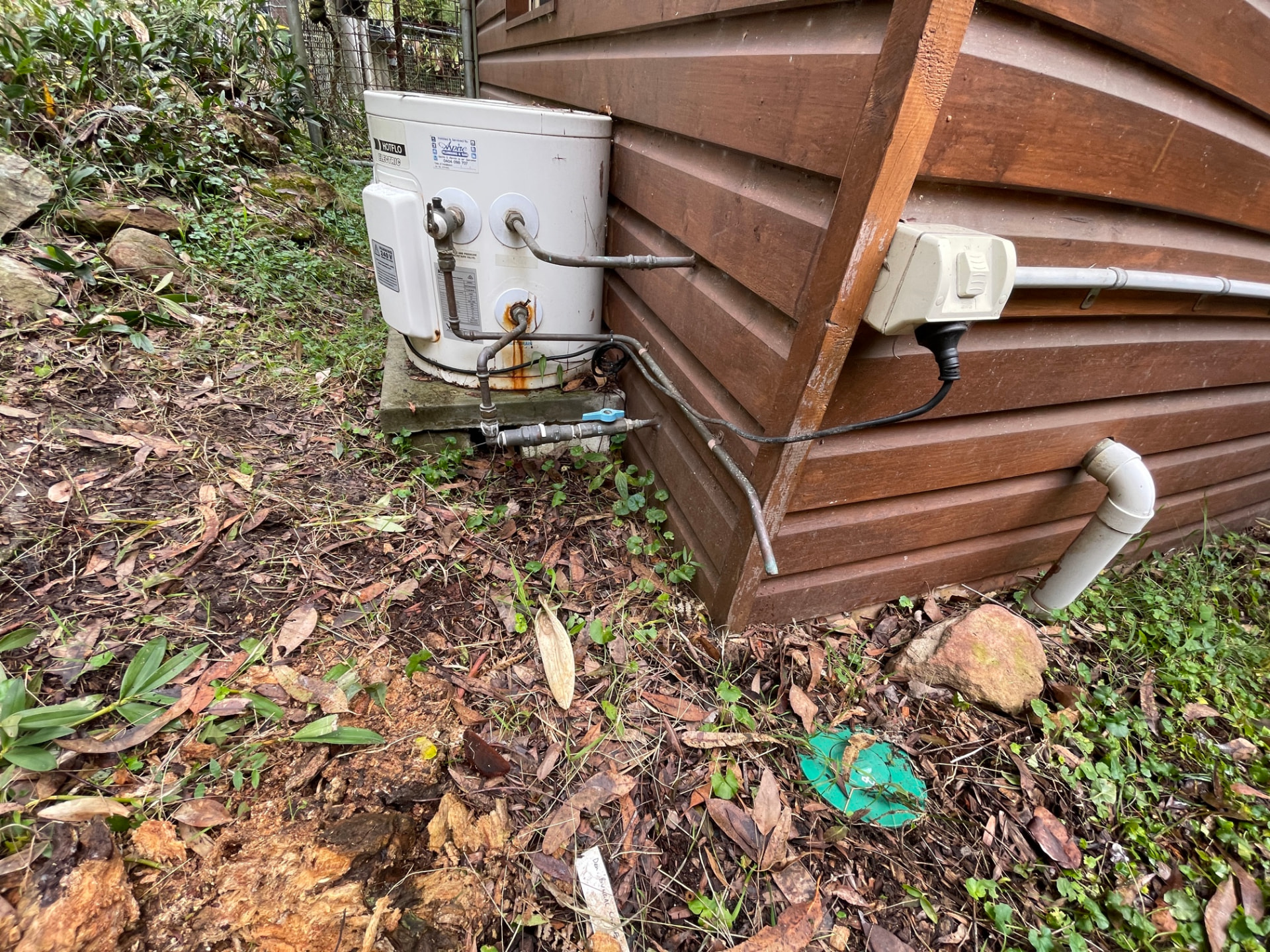
At Glenbrook Native Plant Reserve, buildings sit close to vegetation and trees. The supplied photos show timber damage, above-ground baiting and green in-ground stations around the reserve. Inspection findings guide where monitoring and treatment are appropriate; native vegetation alone does not establish an infestation in a building.
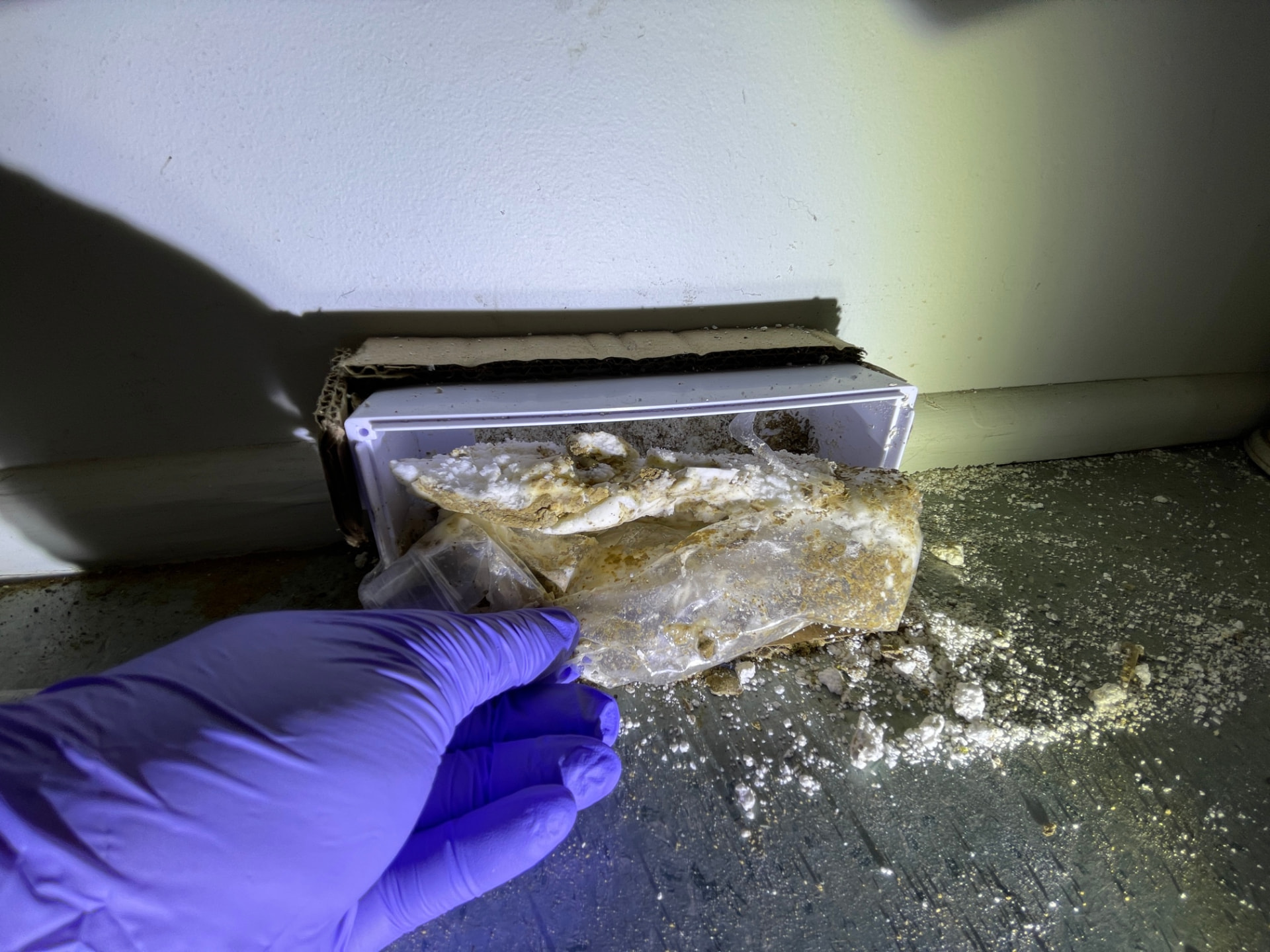
Exposed timber damage inside a reserve building
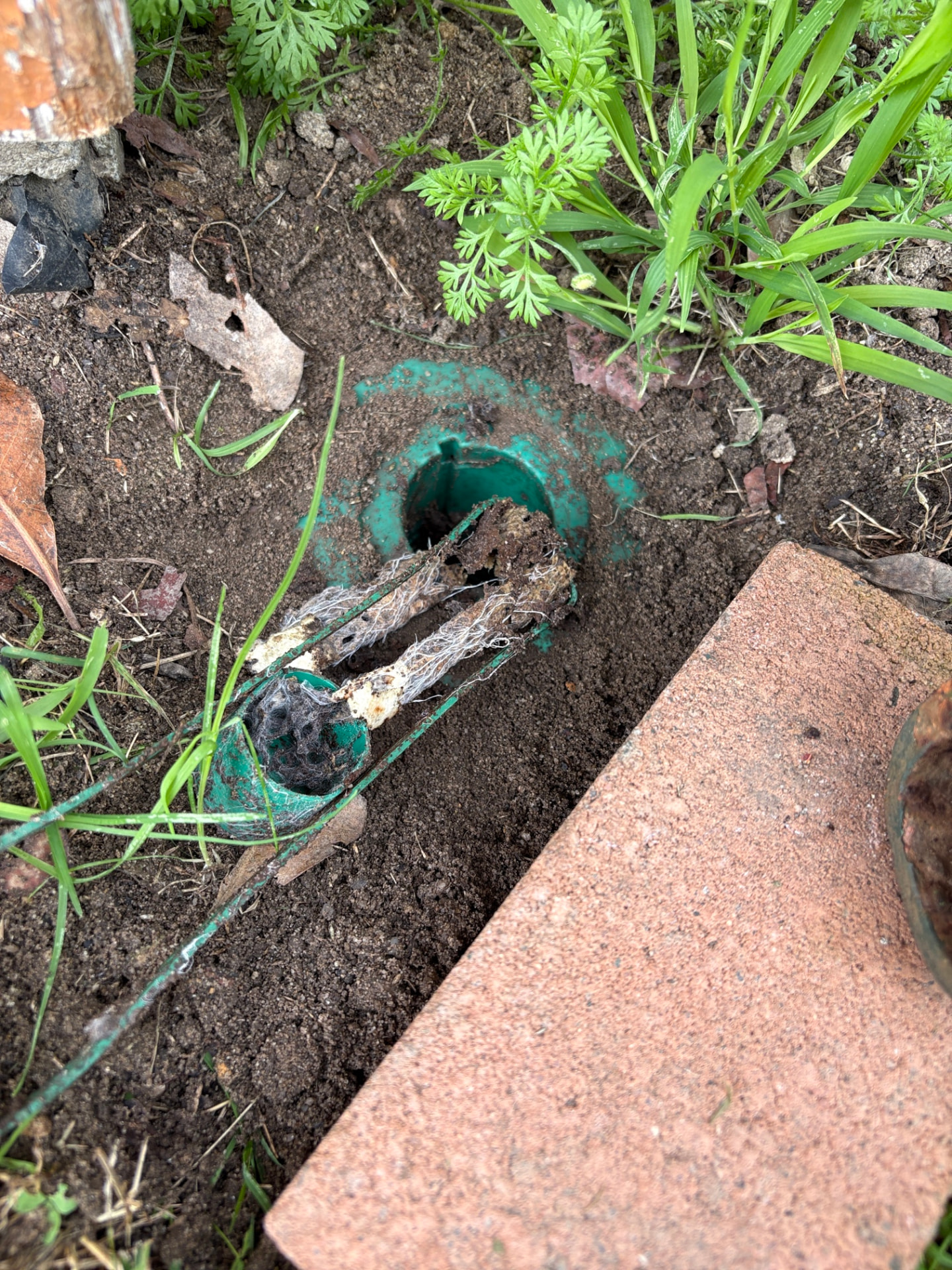
In-ground station beside a reserve building
Station near the reserve building and downpipe
Checking an above-ground bait station
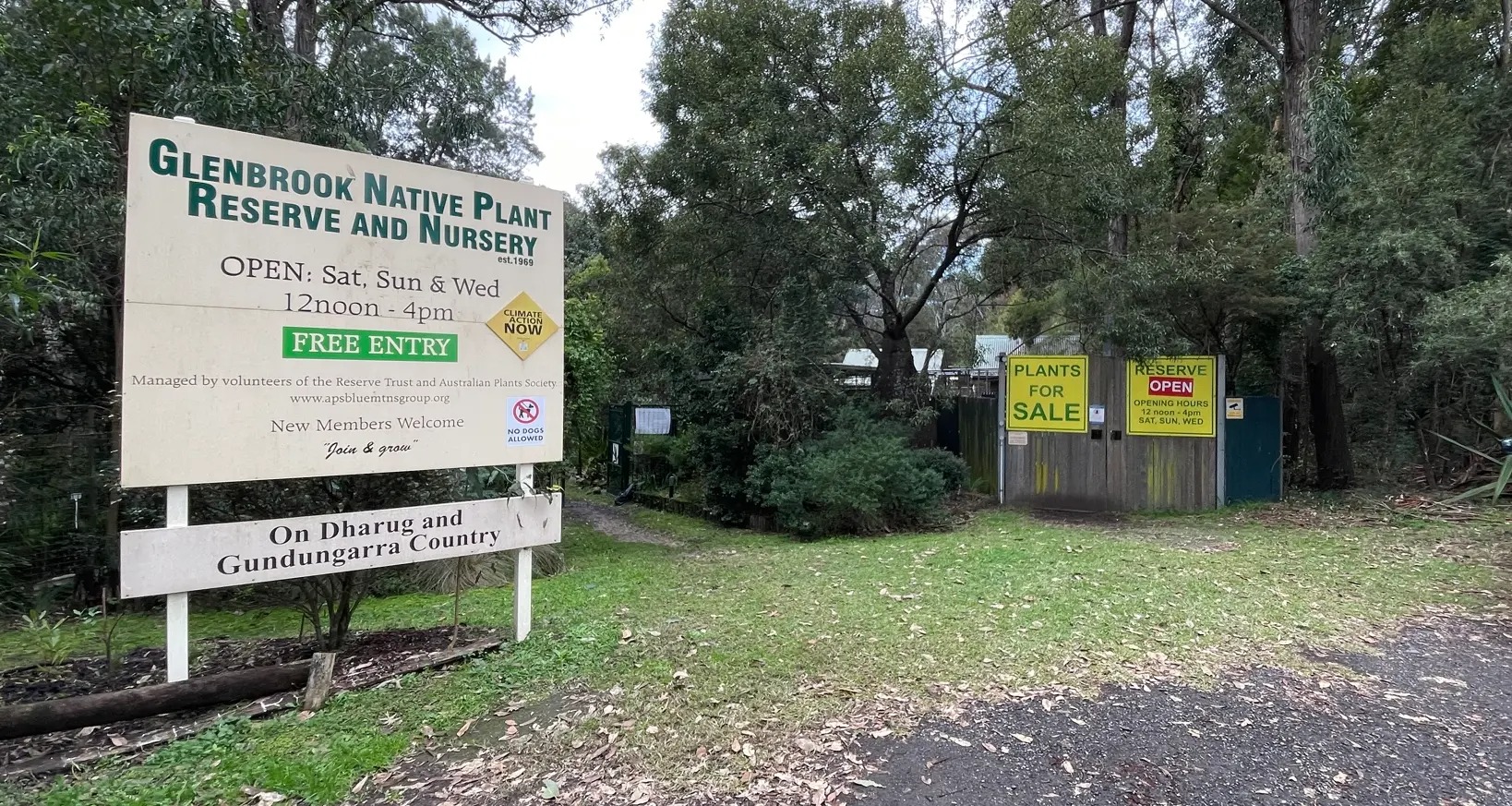
Glenbrook Native Plant Reserve entrance sign
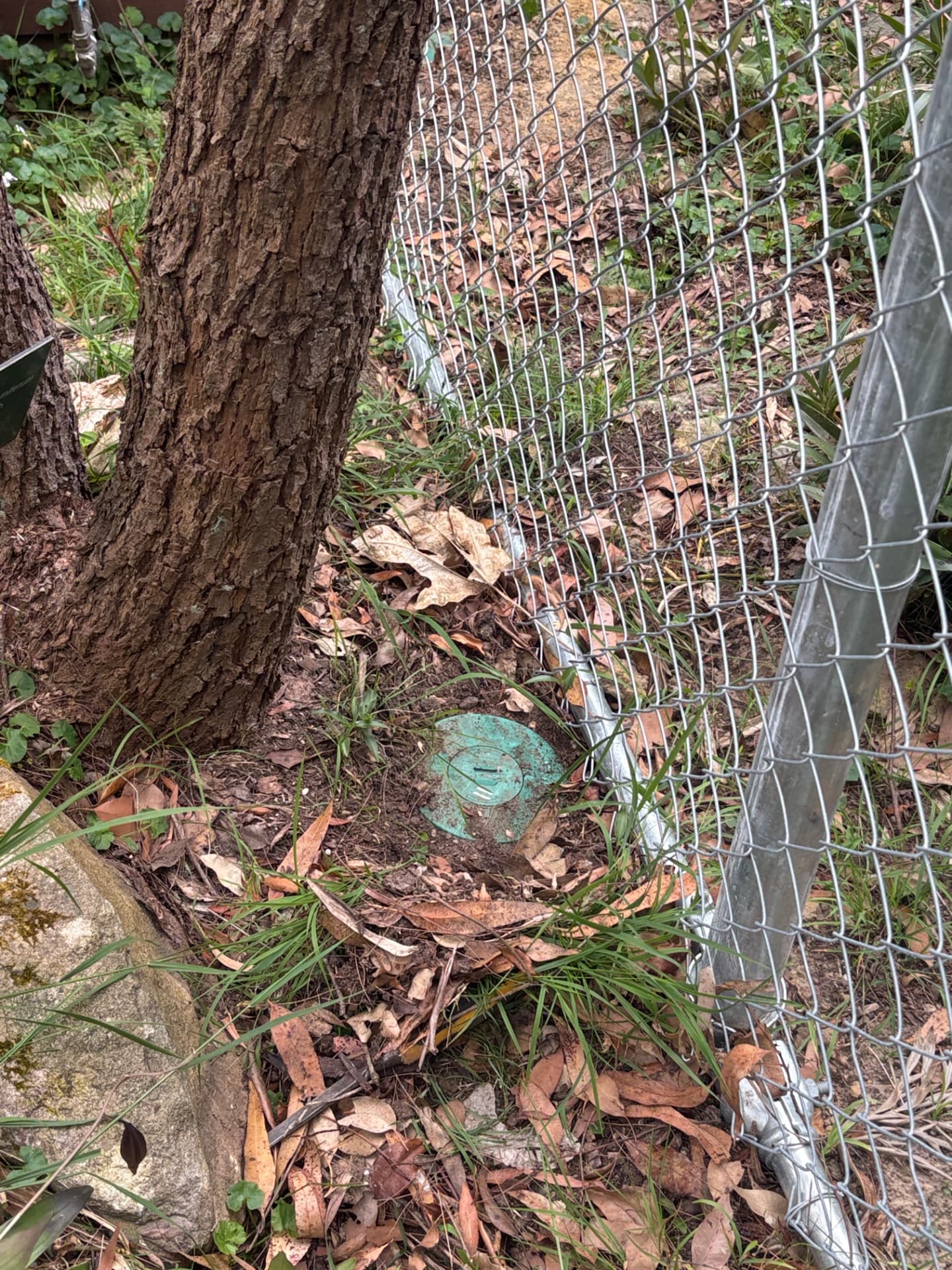
In-ground station near a tree and boundary fence
Why consider Sentricon for sensitive sites?
Sentricon is a termite baiting system. Stations provide locations for checking termite feeding and presenting bait. Bait consumed by foraging termites acts over time, so repeat visits and an assessment of activity are part of management, not optional extras. The eaten rod and replacement in our museum photos make that maintenance easy to see.
Baiting can be useful where a site-specific approach is needed around established buildings and grounds. It may avoid some of the continuous trenching associated with a soil treatment, although installation can still involve ground disturbance and needs careful planning. The best option depends on building construction, termite activity, access and any conservation requirements. Baiting is not a guarantee against future termite entry.
Our team supplies and services Sentricon bait stations as part of a property-specific termite plan. For public and heritage sites, product selection also needs to fit the site manager’s requirements. Installation, product use and servicing follow the applicable Australian label and manufacturer instructions. Ask Jason and Katie which baiting options suit your site and what ongoing checks will involve.
From inspection to ongoing checks
- 1. Inspect and document. Assess accessible timber, moisture, activity and surrounding conditions. Note limitations and discuss the building’s use and any conservation constraints. Read about our termite inspections.
- 2. Agree the treatment. Explain the evidence and available options, including baiting where suitable. Active termites inside a building may need a targeted approach as well as external monitoring. See our termite treatments.
- 3. Check, replenish and review. Inspect stations, assess feeding, replace consumed bait where appropriate and record findings. An eaten rod shows consumption at that station; follow-up evidence is needed to assess the wider activity.
Planning work around visitors and staff
Museums, historic villages and reserves have visitors, staff and maintenance needs to consider. We discuss practical access, station placement and work timing with the site contact. Stations must remain accessible for servicing and should not be moved, opened or covered by landscaping without discussing the change with the technician.
Building maintenance remains important alongside treatment. Leaks, poorly draining ground and timber in contact with soil may increase risk. Any repair to historic fabric should be assessed by the appropriate building or conservation professional. Pest treatment does not replace a structural assessment of damaged timber.
Termite care across the Blue Mountains