Termite Prevention & Risk Reduction in the Blue Mountains & Penrith
Reduce avoidable termite-entry conditions with moisture maintenance, clear inspection access and an ongoing property-specific management plan.

Jason and Katie, the husband-and-wife team at Pest Control-Blue Mountains.
- Our family team
Jason & Katie
Jason and Katie are our husband-and-wife team at Pest Control-Blue Mountains. Behind our pest and termite services is a family team you can put a face to, helping households and businesses across the Blue Mountains and Penrith.
Jason and Katie · Our husband-and-wife team

Jason · Part of our family team
Meet Andy & Lucy, our K9 termite dogs
Andy and Lucy are our two K9 termite dogs. These photos show them exploring around a tree with Jason. A K9 search can support a professional termite inspection; any indications need follow-up checks and are not a guarantee that a property is termite-free. Talk to Jason and Katie about whether a K9 inspection suits your property and the available appointments.
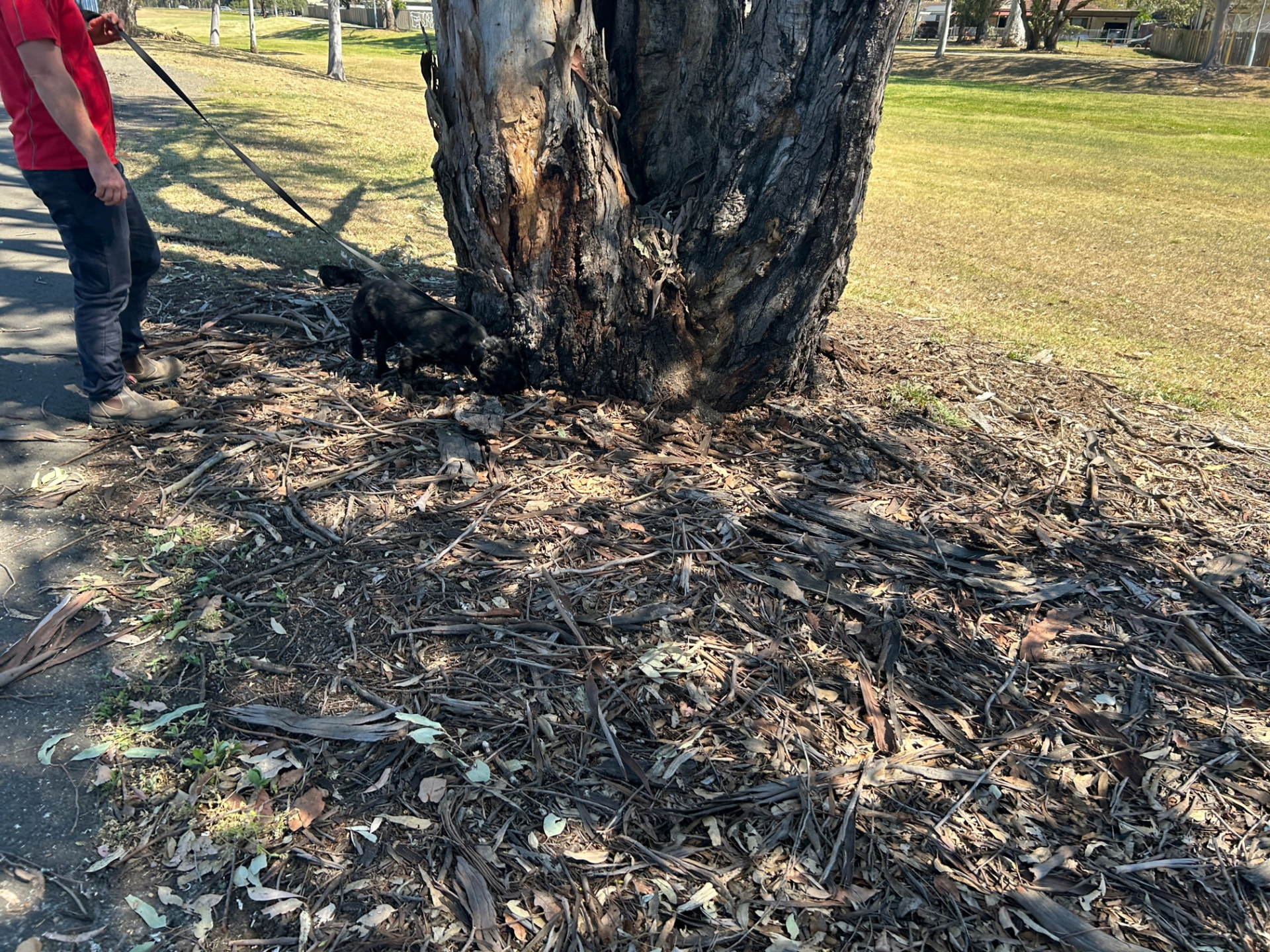
Andy · K9 termite dog
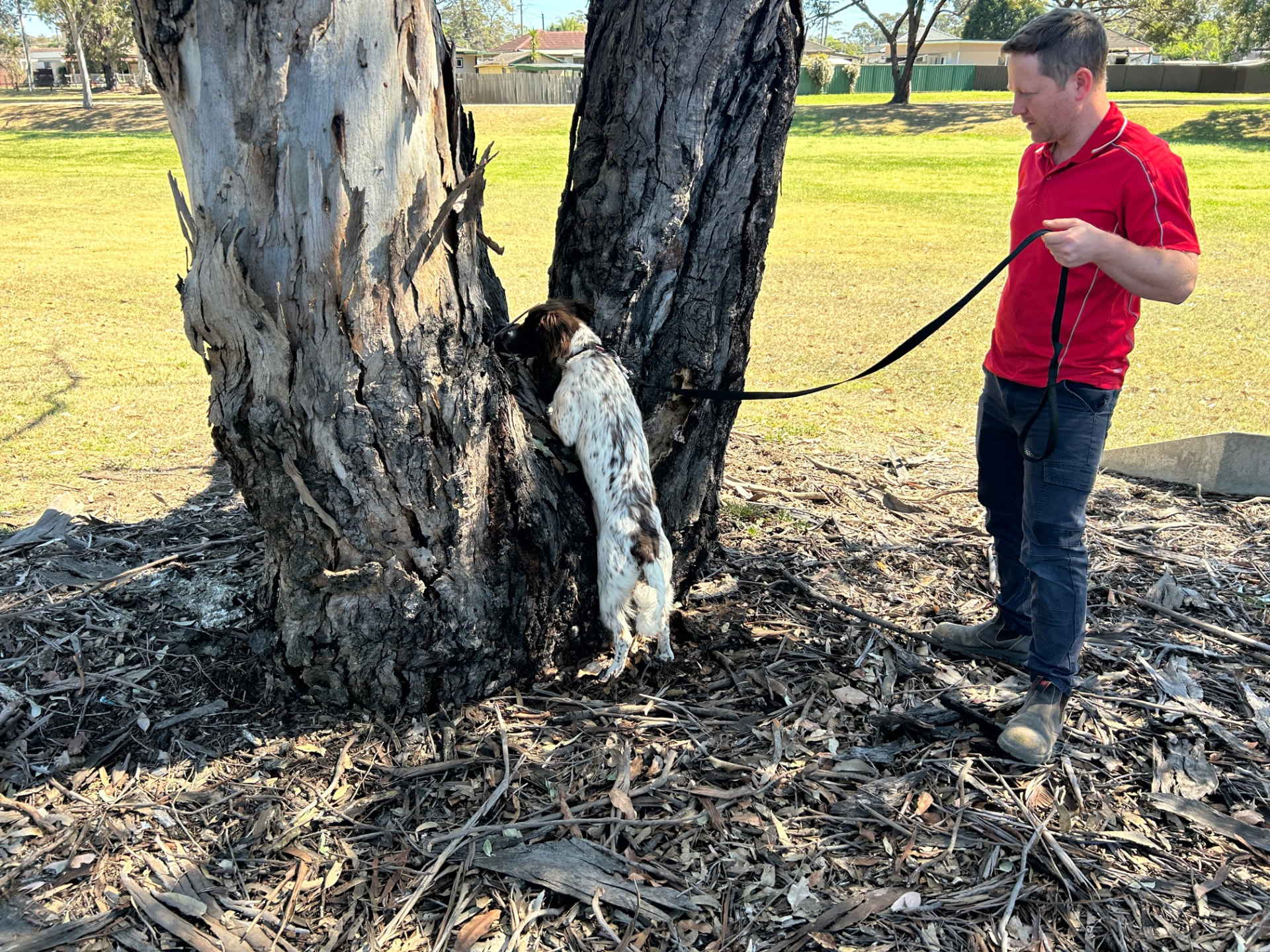
Lucy · K9 termite dog
- Photos from our work
Termite inspections, treatment & baiting
Our own job photos show in-ground monitoring and bait stations, above-ground baiting and signs of termite damage. Ask Jason and Katie about Sentricon and Trelona baiting options and which approach suits your property. Treatment selection and follow-up depend on the inspection findings.
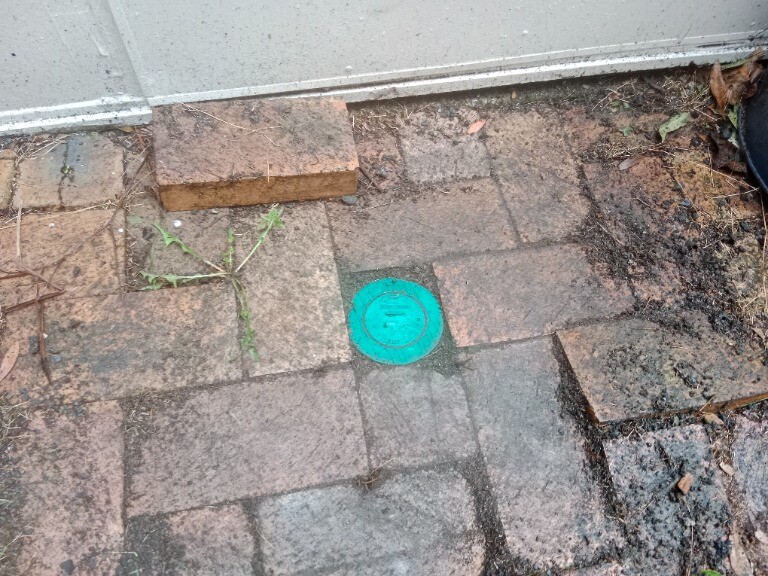
Closed termite station set into paving
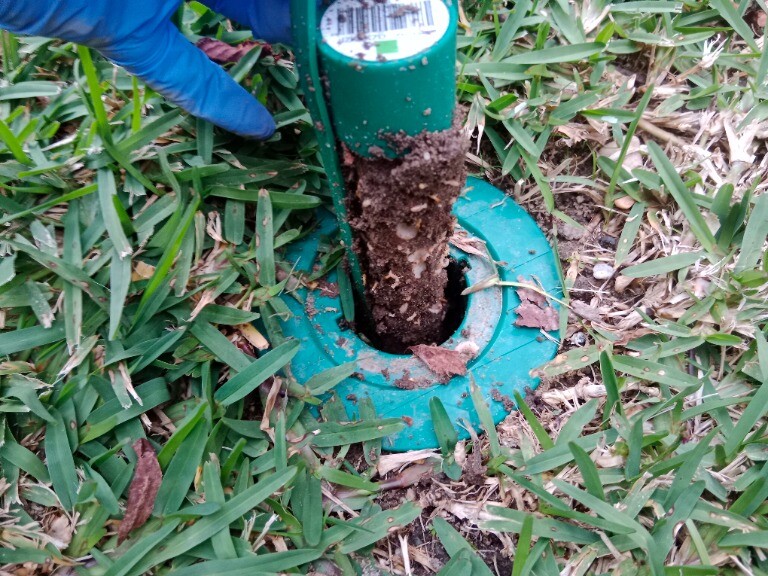
Checking an in-ground termite bait station
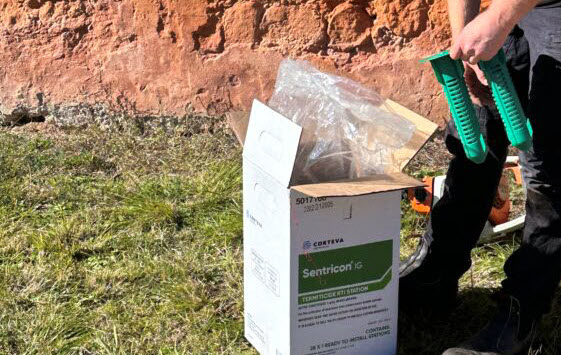
Jason preparing Sentricon termite bait stations
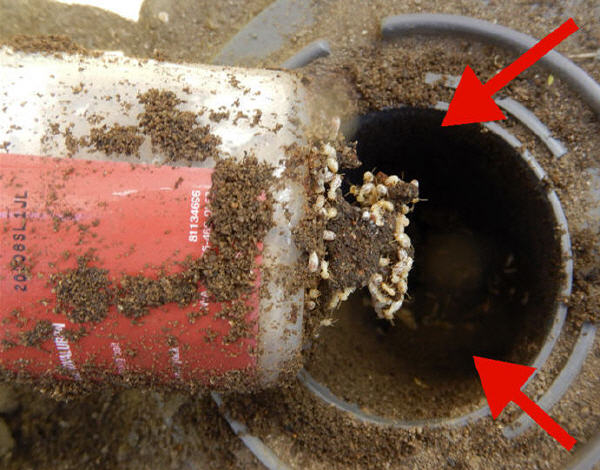
Termite activity on a Trelona bait cartridge
Termite prevention is best understood as ongoing risk reduction rather than a promise that a property can never be attacked. In the Blue Mountains and Penrith, bushland, gardens and changing building conditions can bring termites into contact with timber around homes. The practical aim is to reduce avoidable conditions, keep inspection access available and maintain any installed management system. Pest Control-Blue Mountains helps owners distinguish sensible maintenance from unsupported guarantees. This page concentrates on what to review between inspections, how renovations can change risk and why a management plan needs attention over time. It is different from treating an active infestation, which should be assessed separately before evidence is disturbed.
Begin with an inspection of the property's conditions
A professional inspection can identify accessible evidence and conditions that deserve attention. These may include moisture sources, timber-to-soil contact, restricted subfloor access and concealed entry around additions. Not every condition proves termites are present, but it may affect how the property can be monitored and managed. Ask which findings need action and which are simply limitations of the inspection. A written record helps you prioritise maintenance and explain concerns to a builder, plumber or other relevant professional. Prevention advice should follow the property’s layout rather than a generic list that ignores inaccessible spaces or the system already installed around the home.
Address leaks and persistent damp areas
Leaking pipes, poorly directed downpipes and persistent dampness can affect conditions around timber and soil. Arrange appropriate plumbing or drainage advice where needed rather than expecting a pest treatment to solve the moisture source. Check for changes after heavy rain, especially around subfloor vents and retaining structures. The objective is sensible building maintenance, not drying every natural garden area or making unsupported claims about termite biology at a particular site. Tell the inspector about recurrent wet spots and repairs. Moisture readings and visible conditions should be interpreted together, and any recommendation should explain what was found and which trade can address it safely.
Keep timber separated from soil where appropriate
Timber resting in soil or garden material can create conditions that warrant inspection. Common examples include sleepers, stored timber, attached steps and landscaping close to the building. Discuss necessary construction changes with a qualified professional rather than removing structural timber yourself. Raising beds against walls can also conceal parts of the building that need to remain visible. The aim is to review avoidable contact and maintain the intended construction details. Do not assume moving a woodpile eliminates every termite risk, but do treat outdoor timber as part of the property assessment rather than ignoring it because it is outside the house.
Maintain visible inspection zones
Some building details and termite management systems depend on keeping particular areas available for visual inspection. Soil, mulch, paving or cladding added later may obscure those areas. Ask which parts of your building need to stay exposed and consult the system documents before making changes. A visible inspection zone is not an impenetrable barrier; its purpose and limitations should be understood. Where visibility has already been lost, arrange an assessment of the next steps rather than guessing a clearance measurement from the internet. The correct advice depends on the construction and installed system, and alterations may require a builder or the original system provider.
Subfloor access and ventilation deserve attention
Enclosed subfloors and restricted access can make timber difficult to inspect. Stored belongings, blocked openings and later additions may change conditions after a previous assessment. Keep agreed access points usable and tell the team about areas that have become inaccessible. Ventilation or drainage concerns may need building advice, particularly where dampness persists. Do not crawl into unsafe spaces or remove supports to create access. For older cottages around Springwood, Woodford and Hazelbrook, subfloor arrangements can vary from one extension to the next. A prevention plan should acknowledge those differences and explain what can be reviewed safely rather than assuming the whole underside is visible.
Decks, pergolas and renovations can change the picture
Adding a deck, enclosing a verandah or extending a room can affect inspection access and an existing termite management system. Include termite-management considerations in the planning discussion rather than waiting until the work is finished. Ask the builder how relevant inspection details and system requirements will be preserved. Let the servicing team know before stations are moved or covered. Keep documents for new construction alongside older management records. A home that was previously accessible may not remain so after changes. Renovation does not automatically create termite activity, but it can alter how entry is discouraged or detected and which parts of the building can be assessed.
Protect bait stations and system access
Installed stations require the servicing arrangements appropriate to their system. Do not bury lids, fill stations with garden material, spray inside them or move them without advice. Make gardeners and tenants aware of the access points. If a lid is damaged or landscaping has changed around a station, report it to the provider. A station left untouched is not necessarily a maintained station: professional checks and records still matter. Our baiting and monitoring page explains how those visits relate to termite evidence. Prevention relies on understanding the ongoing agreement rather than assuming that installation was a one-time task with no future responsibilities.
Soil-management systems need protection from disturbance
Where a soil treatment or another building-management system is installed, later excavation and landscaping may affect the treated or managed area. Adding paths, repairing services or changing garden levels should prompt a discussion with the provider. Read the installation information and terms rather than assuming every system tolerates the same disturbance. A maintenance recommendation should explain any affected area and the proposed assessment or reinstatement work. Avoid trying to replace professional treatment with a store-bought chemical. System upkeep is specific to the original installation and product requirements, and a management feature cannot be assessed accurately from the mere presence of an old invoice.
Regular inspections remain important
Risk reduction and installed management systems do not remove the need for professional inspections. Discuss an appropriate inspection schedule in relation to the property, previous findings and system requirements. An inspection is limited by the accessible conditions on the day, so continuing visits allow changes to be reviewed and recorded. Keep previous reports available and raise new concerns between scheduled checks rather than waiting for the next routine appointment. Early assessment of mud workings, damaged timber or unexpected insects is more useful than treating all maintenance as an annual checklist. Inspections and practical prevention support one another; neither should be described as an absolute guarantee against attack.
Bushland settings and everyday garden decisions
Homes near Glenbrook Lagoon, Leura’s gardens and Blackheath’s surrounding bushland often contain established trees and outdoor timber. Natural surroundings are part of living in the mountains, not a reason to remove vegetation indiscriminately. Review garden changes near the building with attention to drainage, inspection visibility and system access. Tree safety and removal decisions may require an arborist and relevant approvals. In Penrith, Glenmore Park, Jordan Springs and Mulgoa, landscaping and additions are similarly important. The advice should fit the actual property. A regional landmark provides context for service coverage, but it cannot establish the termite risk or correct management system for an individual address.
If you discover activity, change from prevention to assessment
A prevention checklist is not the appropriate response to newly found live termites. Leave the evidence undisturbed and seek an active-termite assessment before spraying, removing timber or covering the discovery with repairs. Tell the team where the finding is and what has already been done. A treatment recommendation can then address the immediate activity, followed by a discussion of longer-term management. Distinguish active evidence from a damp area or a general risk condition: they require different decisions. Our Found Live Termites page explains the immediate steps, while the treatment-options page compares approaches that may be considered after the findings are assessed.
Build a maintenance plan you can actually follow
Ask Jason and Katie to explain the practical priorities for your property and which tasks need another professional. Keep inspection reports, system documents and relevant repair records together. Note renovations, drainage changes and station-access issues so they can be discussed at future visits. Confirm the scope of any ongoing agreement and the process for reporting new activity. A good plan is understandable and maintainable, with clear responsibilities rather than broad assurances. Termite risk reduction is continuing care for the building: sensible maintenance, appropriate inspections and attention to installed systems, supported by an honest understanding that no routine can promise a home will never face termites.
Termite Prevention & Risk Reduction: local service areas
Other pest services
See our heritage-site termite work, explore the complete suburb and service directory, or contact Jason and Katie about your property.
Plan practical termite risk reduction for your home.
Talk to Jason and Katie about pest control for your property in the Blue Mountains or Penrith.
Need help at your property?
Talk to a local technician about treatment for your home or business.
Pest Services
- Cockroach Control →
- Rodent Control →
- Spider Control →
- Wasp Control →
- Termite Inspections →
- Termite Treatments →
- Termite Barriers →
- K9 Termite Inspections →
- Termite Control Blue Mountains & Penrith →
- Pre-Purchase Termite Inspections →
- Found Live Termites? →
- Termite Treatment Options →
- Termite Baiting & Monitoring →
- Targeted Termite Treatment →
- Termite Prevention & Risk Reduction →
- Residential Pest Control →
- Commercial Pest Control →
Blue Mountains Areas
- Start here
Explore pest solutions
Learn about our other services across the Blue Mountains and Penrith.