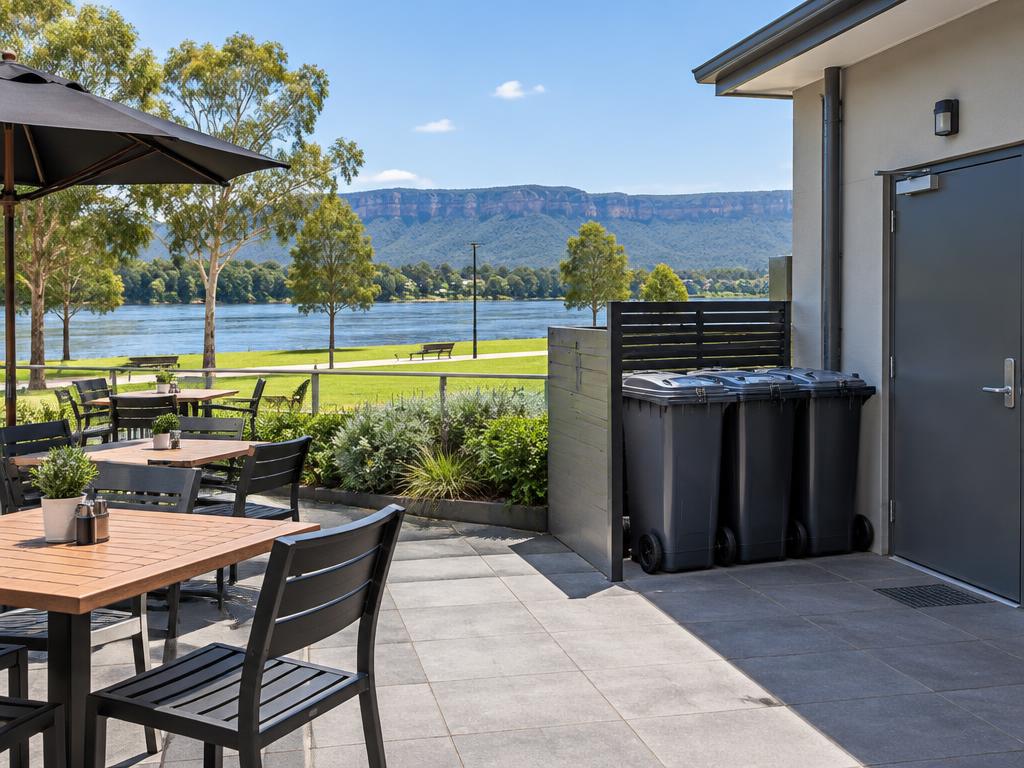
The Nepean River and Great River Walk provide familiar context for Penrith’s river corridor. Nearby businesses may combine outdoor tables, food handling, deliveries and busy service doors. Proximity to water does not establish a pest infestation or determine a treatment. Begin with the premises, safe inspection access and accurate sightings rather than a generic riverside assumption.
Review door use during busy periods
A service door that stays open for deliveries may undermine otherwise sound building proofing. Discuss practical routines and check screens and seals where accessible. Repairs should account for safe operation and relevant building requirements. Record where pests are seen so the technician can distinguish repeated indoor activity from occasional outdoor visitors around lights or seating.
Keep waste controls practical
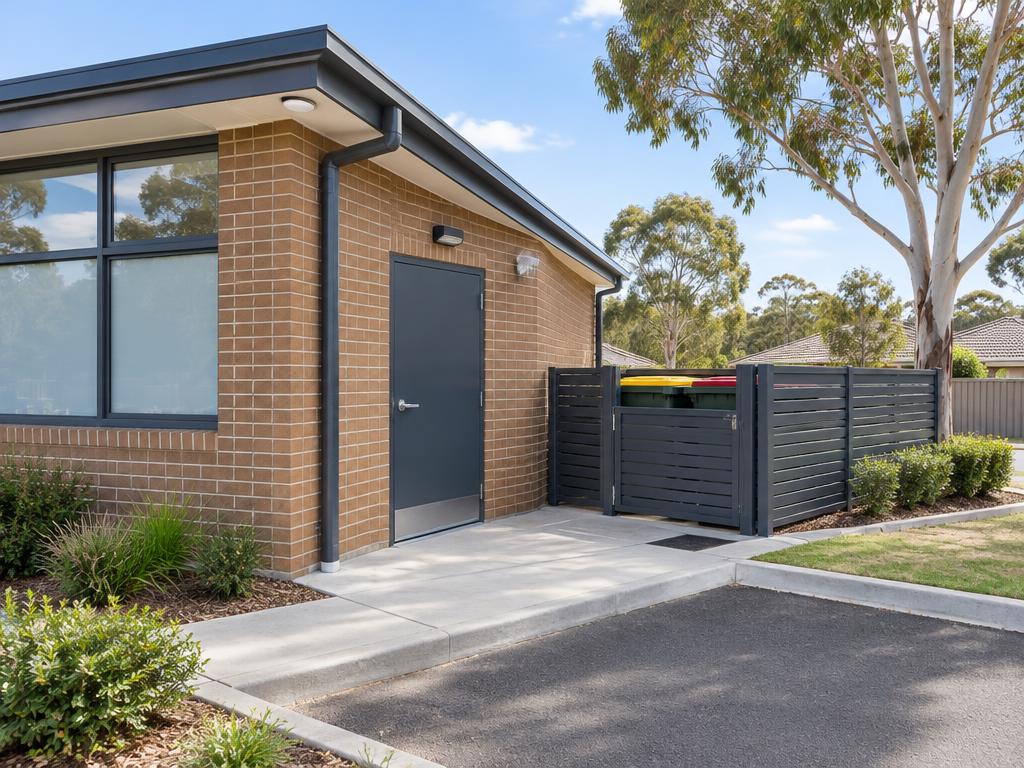
Bins should close correctly and food residues should be removed through the business cleaning routine. Check storage and collection arrangements, including shared waste areas. Pest servicing can support these measures but cannot substitute for damaged lids or persistent spills. Ask who is responsible for maintenance when landlords, neighbouring businesses or waste contractors share the space.
Protect food areas during planned work
Before any treatment, explain food storage, preparation surfaces, occupancy and opening times. Ask about preparation and re-entry under the relevant product label. Pass the instructions to managers and cleaners. Do not improvise with extra household sprays near food or monitoring equipment. Correct application and a clear site plan matter more than a blanket statement that all commercial products are safe.
Check timber and drainage separately
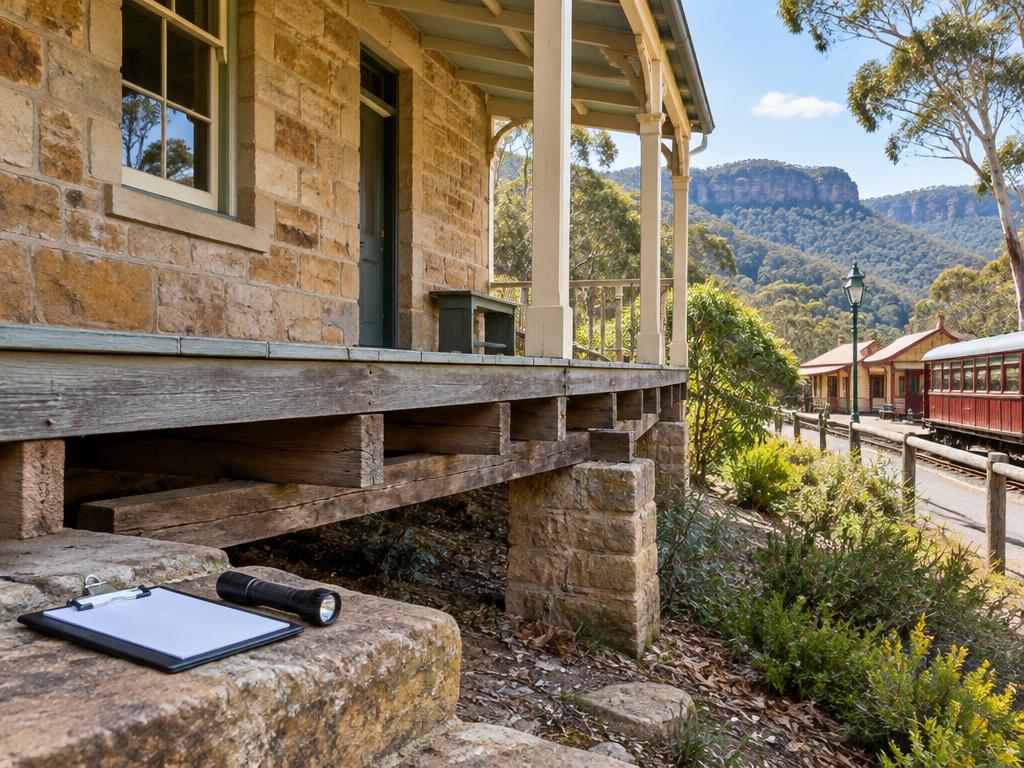
Outdoor decks and later additions can have different timber pest access from the main building. Leaks and drainage concerns may need a plumber or builder alongside pest assessment. A general pest visit does not automatically include a full timber pest inspection. Ask what has been assessed and preserve suspected termite evidence without opening damaged material or spraying active workings.
Follow the evidence across visits
Keep service records and dated sightings to review whether activity is changing. Established problems may require further assessment, treatment and building repairs. Businesses in Penrith, Emu Plains and Jamisontown need recommendations based on their own operations. A useful plan specifies follow-up and responsibilities; it does not claim that a riverside address means pests can be prevented permanently.